Keywords
Autonomy, Cancer, Intellectual Disability, Screening, Treatments

This article is included in the Ageing Populations collection.
Autonomy, Cancer, Intellectual Disability, Screening, Treatments
See the authors' detailed response to the review by Kumaresan Cithambaram
See the authors' detailed response to the review by Rebecca Hansford
In recent years improvements in cancer care and survival in the general population have been observed Loud & Murphy (2017). Studies have emphasised the importance of regular screening and the role that this plays in the early detection of cancer (Ding et al., 2022; Miller, 2013; Whitaker, 2020). Advancements in treatment options, as well as secondary prevention and early detection, are leading to better outcomes and decreased cancer mortality rates in the general population (Ding et al., 2022; Gini et al., 2020; Jemal et al., 2010). Despite these recent developments in treatment, and the implementation of national cancer screening programmes, large gaps exist in diagnostic and treatment options between people with intellectual disability and the general population (Cuypers et al., 2024; Mahar et al., 2024).
Adults with intellectual disability have significantly lower rates of routine cancer screening and cancer is often diagnosed at more advanced stages (Horsbøl et al., 2023; Kiani et al., 2014). Some studies specifically highlight gaps that exist in national screening programmes for cancers such as breast, cervical and colorectal (Satgé et al., 2023; Sullivan et al., 2003; Swaine et al., 2014). Evidence in the intellectual disability population points towards factors such as limited screening education, distrust in healthcare providers, and challenges in providing consent, leading to limited uptake of available screening programmes and there appear to be misassumptions on women with intellectual disability not requiring cervical screening (Power et al., 2024; Swaine et al., 2014; Weise et al., 2024; Xu et al., 2017). While there are many contributing factors to these inequalities, changes in individuals' health status may go unrecognised for significantly longer because of their intellectual disability (Kiani et al., 2014). In some cases, symptoms suggestive of cancer and cancer itself go undetected, and cancers are identified at a late stage or as a cause of death in individuals with intellectual disability (Heslop et al., 2022; Mahar et al., 2024). Communicating symptoms of cancer may be difficult for individuals with an intellectual disability, and those around them may not notice signs of illness, both reasons which may contribute to a late-stage cancer diagnosis (Satgé et al., 2014). Ultimately this phenomenon, known as diagnostic overshadowing, may contribute to a decreased quality of life and the unnecessary progression of cancer, resulting in premature mortality (Mason & Scior, 2004; McMahon et al., 2024).
Although cancer is being diagnosed at more advanced stages in adults with intellectual disability, the evidence does not show that diagnosis occurs later in life (Mahar et al., 2024; Satgé et al., 2014). In a study conducted by Satgé and colleagues, the age at which individuals with intellectual disability were being diagnosed with cancer was younger than the recommended screening age for the general population with Heslop et al. (2022) and Mahar et al. (2024) reporting similar findings in England and Canada respectively. This may be an indication that adults with intellectual disability are developing cancer earlier in adulthood, and screening protocols may need to be tailored to this. Recent evidence has shown that individuals with intellectual disability were 1.6 times more likely to be diagnosed with Stage IV breast cancer and 1.44 times more likely to be diagnosed with Stage IV colorectal cancer (Mahar et al., 2024). While the reasons why they are developing late-stage cancer at earlier ages have not yet been established, studies suggest that lowering screening ages for people with intellectual disability could be beneficial for earlier diagnosis. The prognosis for cancer patients is dependent on the cancer stage at diagnosis, so a later diagnosis in patients with intellectual disability could be a key factor accounting for differences in mortality rates.
There is limited research that focuses on treatment options for individuals with intellectual disability diagnosed with cancer. Much of the published evidence are case studies based on one individual's cancer experience with no synthesis of the published evidence available (Brown, 2011; Enomoto et al., 2015). In terms of diagnostic tools, while individuals with intellectual disability may utilise the same tools as the general population, tools such as mammography, Papanicolaou tests (pap smears), and testicular examinations, remain under-utilised by the intellectual disability population (Satge et al., 2023). The existing gaps in cancer diagnosis may be from patients not receiving regular screening (Chan et al., 2022; Sullivan et al., 2003).
Although the exploration of treatments in case studies are specific to individual patients, these treatments may set a precedent that tailored treatment plans are required for the specific needs of this vulnerable population (Brown, 2011; Delany et al., 2023; Satgé et al., 2014; Sleijfer et al., 1996). Consequently, the aim of this literature review is to explore and synthesise information relating to cancer diagnostic approaches and treatment options for adults with intellectual disability and examine the barriers that prevent adults with intellectual disability from accessing both diagnostic tools and treatments.
A literature review guided by the PRISMA Extension for Scoping Review checklist was undertaken to understand the experiences of adults with intellectual disability undergoing cancer diagnostic tests and treatments. Literature reviews provide a broad, thorough critique and examination of all the evidence available on the topic and facilitate a descriptive analysis and meaningful synthesis of the current available research (Colquhoun et al., 2014).
The PICOS (Population, Intervention, Comparison, Outcome, Study Type) framework was used to frame the research question and search concepts for this review. The research question to be addressed is:
‘What are the barriers or enablers to accessing cancer diagnostics and treatment for adults with intellectual disability?’
This will be achieved through two objectives:
The eligibility criteria are summarised in Table 1.
Five electronic databases were systematically searched: Cinahl Ultimate, Medline, PsycINFO, PubMed, and Web of Science. To provide the most accurate search, search functionality and keywords were used and adjusted accordingly for each database. Keywords included “intellectual disability”, “treatment”, “diagnosis”, and “cancer”. Boolean operators were employed, including “and”, “or”, along with “not”. Table 2 shows an example of the MEDLINE search string. Finally, citations were searched in relevant reviews about cancer treatments and screening for adults with an intellectual disability. All articles were extracted to Covidence which was used as the screening tool.
Figure 1 summarises the screening process in a PRISMA diagram. Two assessors [KS, MD] reviewed each of the articles. A third [LL or MMcM] adjudicated in cases of dispute. The initial search resulted in 10,534 publications with 3,991 duplicates removed. A title and abstract screening of 6,543 articles was completed. Then, 236 articles proceeded to full-text review. Finally, 23 articles were extracted, along with three articles from citation searching and two additional proposed articles, resulting in a total of 28 articles for inclusion in the literature review.
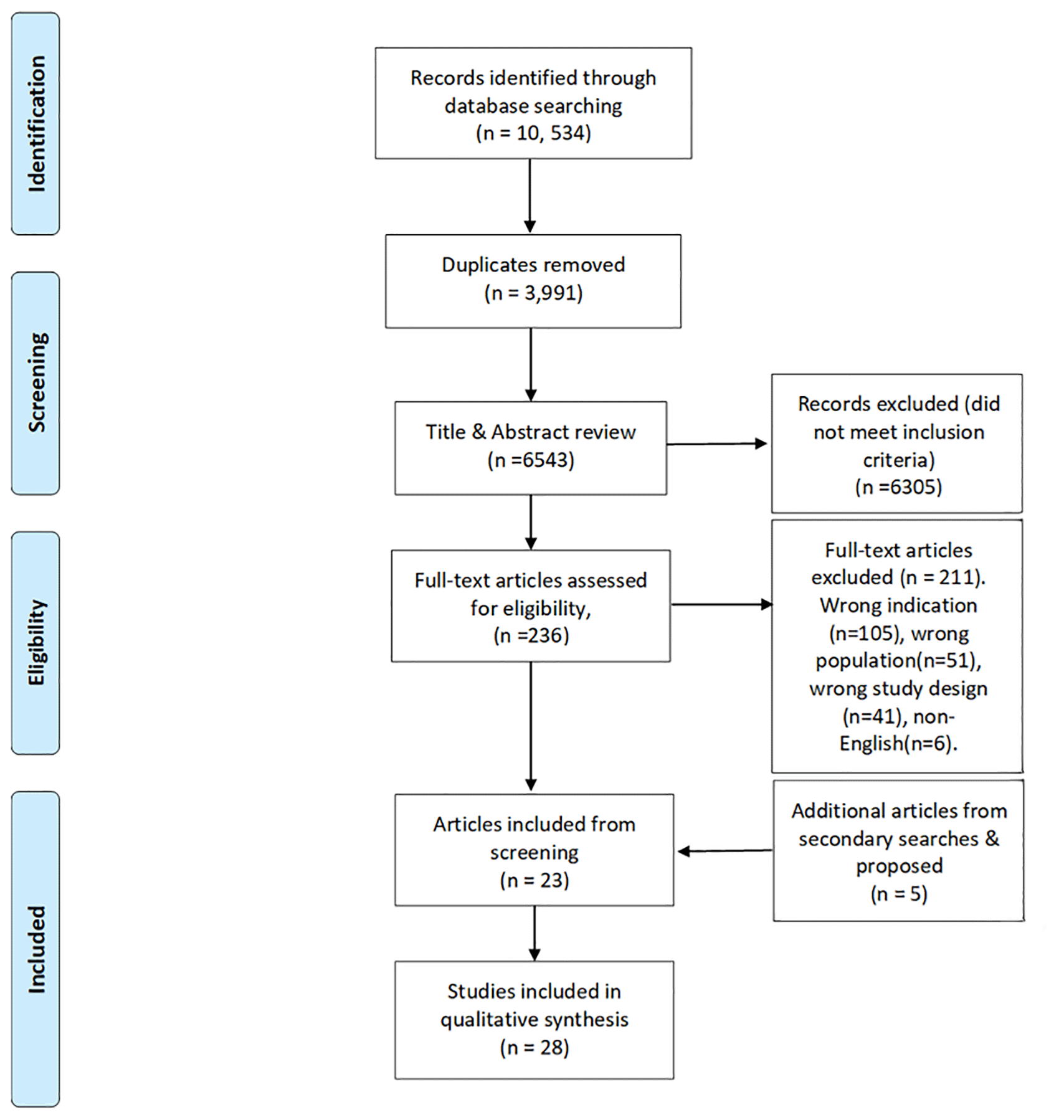
Data was gathered from studies conducted worldwide from 1996 to 2024. The following information was extracted from each article: author, year, country, study aim, study design, sample size, age, gender, results and theme, see Table 2. All information was not available for each article.
A qualitative synthesis and thematic analysis was completed on the extracted articles using the Braun and Clark Six Step process, see Table 3 (Braun & Clarke, 2006). Initially the researchers familiarised themselves with each article’s content by reading multiple times and making notes on each, to fully immerse themselves in the data. As initial patterns emerged, colour-coding was used to group similar codes together. Broad themes emerged as a result of this grouping. These broad themes were then refined further, analysing the codes that were contained in each theme until four broad themes remained. Some articles were grouped into multiple themes as they covered multiple topics.
A total of 28 articles were included in the final review. After completing the Braun and Clark thematic analysis, the four overriding themes emerged i.e. Prevention, Education, Adaptation and Ethical practice. Some overlap was observed in articles that covered multiple themes (Armin et al., 2022; Brown, 2011; Flynn et al., 2016; Sleijfer et al., 1996; Sullivan et al., 2003). The number of people with intellectual disability represented in this review was 119,909. Studies were representative of a worldwide population; USA (n=7), UK (n=6), Canada (n=5), France, Australia and Japan (n=2), and Sweden, Denmark, Taiwan and The Netherlands (n=1). Overall, 16 articles investigated preventative measures of cancer screening, seven articles discussed education on cancer and screening for people with intellectual disability, seven articles reviewed cancer treatment options for patients with intellectual disability, and three articles discussed patient autonomy, which was covered by ethical practices, see Table 4a and Table 4 in extended data. A summary of each theme’s results is provided. Screening was addressed in prevention and education. Treatments were covered by adaptation and ethical practice.
| Author, year | Country | Aim | Design | Age | % Male | No of participants | Results | Theme |
|---|---|---|---|---|---|---|---|---|
| Armin et al., 2022 | USA | Identify barriers to cancer screenings in native American patients with intellectual disability | Semi-structured interviews | 18–44 | 7% | n=48 | Individual, interpersonal, and community/institutional barriers to screenings due to social inequities. They were then utilised in creating a cancer screening education program. | Prevention, Education |
| Bates and Triantafyllopoulou, 2019 | UK | Determine barriers and mental capacity impact on breast cancer screenings for women with intellectual disabilities | Cross-sectional survey | 50–70 | 0% | n=131 | Barriers to screening include poor mobility and behavioural difficulties. Also, women who lacked mental capacity were less likely to engage in the screenings. | Prevention |
| Brown et al., 2016 | Canada | To compare cervical cancer screening rates in women with and without intellectual disability who had a pregnancy | Retrospective cohort | 29–64 | 0% | n=5,033 (with intellectual disability), n=527,437 (without intellectual disability) | Women with intellectual disability were less likely than women without intellectual disability to be screened, after controlling for health and social factors. | Prevention |
| Cobigo et al., 2013 | Canada | To estimate rates of cervical & breast cancer screening among eligible women with intellectual disability & compare to women without intellectual disability; To examine if any observed differences between the groups persist after certain factors are accounted for | Cross-sectional using health administrative data and registries | 20–69 | 0% | n=17,777 with intellectual disability, n=1,440,962 without intellectual disability | Women with intellectual disability are almost twice less likely to be screened for cervical cancer and 1.5 less likely to receive mammograms than women without intellectual disability. | Prevention |
| Flynn et al., 2016 | UK | Explore the experiences of people who have an intellectual disability and their diagnoses and treatment of cancer | Interviews conducted and analysed using Grounded theory | 34–77 | N/A | Patients with Intellectual disability & cancer n=6, Family & healthcare professionals n=12 | People with intellectual disability were often excluded from decisions in their cancer care and treatment. However, when they were included, there were positive outcomes with meaningful engagement of their care. Therefore, more methods put into play in aiding patients with intellectual disability to understand their diagnoses | Prevention, Ethical practice |
| Heslop et al., 2022 | England | Expand the current understanding of cancer and screenings in adults with intellectual disabilities | Population based study | 20+ | n/a | n=1096 | In individuals with intellectual disabilities who were deceased, cancers were presented in emergency situations, 45% being stage IV cancers at diagnosis. Of these cancer related deaths, 36% were digestive system cancers and 48% of these were colon cancers. 43% of the patients who died of colon cancer were below the screening age recommended for the general population. | Prevention |
| Horsbøl et al., 2023 | Denmark | Compare breast cancer screening | Cohort study | 50–69 | 0% | Patients with intellectual disability n=5595, Patients without intellectual disability n=49,423 | 25% of patients with intellectual disabilities were fully screened compared to 62% of patients who did not have intellectual disabilities. Additionally, 45% of patients with intellectual disabilities had never been screened compared to 13% in the population that does not have intellectual disability. As patients' severity of intellectual disability increased their likelihood of screening decreased. | Prevention |
| Kiani et al., 2014 | UK | Case of an individual with a profound Intellectual disability who developed a chest infection, and recurrent infections after that and was then diagnosed with cancer after death in the patients’ autopsy | Case study | 56 | 100% | n=1 | The patient's cancer symptoms had been attributed to his chest infections, and whether an early diagnosis could have altered the patient's outcome, the health care team should have further investigated these symptoms. | Prevention |
| Lai et al., 2014 | Taiwan | Investigate the rate of uptake of mammography and pap smears in patients with intellectual disability. Then, determine external factors that may influence utilising these cancer screening methods. | Population based study | 50–69 | 0% | n=4370 | The mammography utilisation rate for women with intellectual disability was 4.32% compared to the general population of 12%. There were external factors also discovered that could lead to increased or decreased utilisation including marriage, education, and other preventive health use. | Prevention |
| Mahar et al., 2024 | Canada | Determine the incidence and disparities between people with intellectual disabilities and their delayed diagnoses for breast, colorectal, and lung cancers | Multiple population-based cross-sectional studies | 49–80 | Breast cancer- 0% Colorectal cancer- 54% Lung cancer- 50.3% | Patients with intellectual disability & breast cancer n=83, Patients with breast cancer, n=10,610, Patients with intellectual disability & colorectal cancer n=84, Patients with colorectal cancer n=10,283, Patients with intellectual disability & lung cancer n=67, Patients with lung cancer n=11,400 | Patients with intellectual disabilities were 1.6 times more likely to be diagnosed with breast cancer and 1.44 times more likely to be diagnosed with colorectal cancer at stage IV compared to patients without intellectual disability due to low screening rates and delayed diagnosis. | Prevention |
| Ouellette-Kuntz et al., 2015b | Canada | Examine the participation of patients with intellectual disabilities in colorectal cancer screenings | Routine-data-based study | 50–64 | 53.9% with Intellectual disability, 49.4% without | Patients with Intellectual disability n=15,791, Patients without n=791,792 | In each age range for participants, the percentage of males with intellectual disabilities was at least 10.7% lower than their counterparts without intellectual disabilities. | Prevention |
| Ouellette-Kuntz et al., 2015a | Canada | Compare the utilisation of secondary screenings and prevention in adults with and without intellectual disabilities | Retrospective cohort study | 18–64 | 19.9% with Intellectual disability, 20.5% without | Patients with intellectual disabilities n= 66,484, Patients without intellectual disabilities n=2,760,670 | 26.4% of adults without intellectual and developmental disabilities had a regular health examination over the two-year period in comparison to the 22% of individuals with intellectual disabilities. The study found that adults with intellectual and developmental disabilities were less likely to undergo recommended screenings for breast, colorectal and cervical cancer. | Prevention |
| Satgé et al., 2023 | France | Examine the colorectal screening rates for patients with intellectual disabilities and what stage these patients are being diagnosed with colorectal cancer. Then, compare these rates with the general population and determine any disparities if present | Registry review | 32–85 | 35.70% | n=14 patients | 64.3% of the time patients with intellectual disability are diagnosed with colorectal cancer at stage IV compared to the general population at 26%. Out of these patients 10 died soon after their diagnosis due to advanced tumour stages not allowing for treatments. It was discovered that people with intellectual disabilities do not participate in as many faecal occult blood tests which is a common screening for colorectal cancer and may be the reason they are receiving delayed diagnosis. Therefore, it is important to increase the number of screenings for this population. | Prevention |
| Satgé et al., 2014 | France | Compares age of diagnosis, tumour size, Scarff-Bloom-Richardson grading, TTMN classification and AJCC stage in women with and without Intellectual disability | Retrospective study | 40–55 | 0% | 484 total, n=11 with intellectual disabilities | In women with intellectual disabilities, breast cancer was diagnosed at a mean age of 55.64 years while the mean age in women without intellectual disabilities was 62.35. The tumour size in women with intellectual disabilities was found to have a range of 1.5–8 cm which is greater than the control group. | Prevention |
| Sullivan et al., 2003 | Australia | Compare the incidence of breast cancer and the uptake of mammography screening services by women with intellectual disabilities | Audit based on Disability Services Commission database | 25+ | 0% | n=2,370 | 34.7% of patients with intellectual disabilities utilised breast cancer screening methods such as mammograms compared to 54.6% in the general population. This proves the underutilisation of these services in this population. | Prevention, Education |
| Tuffrey-Wijne et al., 2010) | UK | Explore how much people with intellectual disabilities are told and understand about their diagnosis of cancer | Ethnographic study | 36–66 | 53% | n=13 | 11 out of 13 patients were told they had cancer, but most did not understand their diagnosis or prognosis and were kept apart from the decision-making process of their care and treatment. It was also determined that the worse the persons' intellectual disability was the lessened their probability of being told about their diagnosis and had a lower sense of understanding. | Prevention, Ethical practice |
| Armin et al., 2023 | USA | An education programme for native American women with intellectual disability called "My Health, My Choice" in hopes of increasing screening uptake for this population | Pre- and post-survey | 18–44 | 0% | n=12 | The patients were able to undergo surgeries that are not normally applicable for this population. This shows that these types of treatments that normally are not options for this population can be accessible with minor modifications and lead to improved health outcomes | Education |
| Greenwood et al., 2014 | USA | Evaluate acceptability, demand and limited efficacy of a health education DVD about mammography for women with Intellectual disability | Feasibility study | 37–82 | 0% | n=27 | The DVD was proven successful as the patients demonstrated increased knowledge of mammography screenings. All the participants except one rated highly the statement that they learned a lot from the DVD, which had a rating overall of 4.4 and all the participants except four requested to keep the DVD. | Education |
| Swaine et al., 2014 | USA | Evaluate if the version Women Be Healthy 2 is effective in increasing the knowledge of women with Intellectual disability regarding breast & cervical screening | Randomised control trial | 36–37 | 0% | n=198 | Women with intellectual disabilities who underwent the Women Be Healthy 2 programme demonstrated an increased understanding of breast and cervical screenings in comparison to women with intellectual disabilities who did not undergo the programme. | Education |
| Wang et al., 2015 | USA | To determine the validity of the Mammography Preparedness Measure | Pilot testing of a measurement instrument, followed by assessing the test-retest reliability of the Mammography Preparedness Measure | 37+ | 0% | n=48 | The Mammography Preparedness Measurement was found to be a valid instrument for assessing the preparedness of women with intellectual disabilities to receive a mammogram. The tool was found to have a test-retest per cent agreement of 84%. | Education |
| Wilson et al., 2018 | UK | To assess and compare the impacts that a leaflet informational packet and an educational programme utilising videos have on testicular health | Participatory randomised parallel study of two educational interventions | 16–34 | 100% | n=192 | One week after the intervention the educational programme group scored significantly higher in an assessment of their knowledge and skills of testicular health. However, in from week 1 to 6 months both the leaflet and educational programme groups demonstrated this increase in knowledge and skills. Additionally, there was a significant increase in self-efficacy in both groups where individuals felt confident enough to perform self-testicular exams. | Education |
| Brown, 2011 | USA | Patients with intellectual disability receiving allogeneic transplant and other aggressive cancer treatments without understanding their options | Case-study audit | n/a | 100% | n=1 | The patient passed away within a year of the transplant and follow up treatment due to pneumonia and underwent visible suffering throughout | Adaptation, Ethical practice |
| Delany et al., 2023 | Australia | Modified chemotherapy and communication methods to tailor patient needs & Intellectual disability | Case-study audit | 33 | 100% | n=1 | Patient made a complete recovery after chemotherapy with the help of collaboration and communication between clinical teams, family and carers throughout the treatment. Paper argues this should be the new standard for this population. | Adaptation, |
| Enomoto et al., 2015 | Japan | Case of oral cancer and the three rounds of modified and specialised chemotherapy they underwent using infusions to the femoral artery | Case-study audit | 32 | 100% | n=1 | The patient made a great recovery and has had no signs of recurrence. The paper explains further how much more successful treatments can be for this population with modifications to meet their needs. | Adaptation |
| Gandhidasan et al., 2020 | USA | Outpatient anaesthesia facilitating delivery of stereotactic body radiation therapy in patients with severe cognitive impairments and inoperable lung cancer. | Retrospective review | 44–78 | 38% | n=7 | Outpatient anaesthesia was tolerated by the patients and the stereotactic body radiation therapy was able to be completed in patients with cognitive impairments. There was one stereotactic body radiation related toxicity that resulted in grade 5, however there were no other toxicities above grade three found. | Adaptation |
| Ishimaru et al., 2022 | Japan | Investigate Tumour Screening, Incidence, and Treatment for Patients Intellectual Disabilities | Chart review | 27–67 | 50% | n=12 | The patients were able to undergo surgeries that are not normally applicable for this population. This shows that these types of treatments that normally are not options for this population can be accessible with minor modifications and lead to improved health outcomes | Adaptation |
| Segerlantz et al., 2019 | Sweden | Comparison of prescription pain medications in cancer patients with intellectual disabilities, and cancer patients in the general population | National registry cohort study | 55 years + | n/a | n=555 patients with Intellectual disability, n=877 cancer patients from the general population | Cancer patients with intellectual disabilities are less likely to be prescribed COX inhibitors, and weak opioids, but more likely to be prescribed paracetamol, and antidepressants than cancer patients in the general population. | Adaptation, Ethical practice |
| Sleijfer et al., 1996 | Netherlands | Report on a patient who has down syndrome and a disseminated seminomatous tumour of the testis and what their treatment entailed | Case study | 30 | 100% | n=1 | Cisplatin-based regimens of chemotherapy are difficult for patients with intellectual disability to undergo though this patient had remarkable success with a carboplatin-containing chemotherapy, since it is available to be administered on an out-patient basis making it an improved alternative to the former. | Adaptation, Ethical practice |
The importance of cancer screening as a preventative measure for people with intellectual disability due to noted higher risks of developing cancer and having difficulties with explaining their pain and symptoms, was discussed in 14 articles. Armin et al. (2022) found that social inequalities contributed as barriers to screening for adults with an intellectual disability while intellectual disability severity level was negatively associated with screening levels (Horsbøl et al., 2023). Additionally, this population were less likely to receive cancer screening in comparison to the general population due to unique barriers including living conditions, and distress and anxieties they experience may make them less likely to engage with screening (Tuffrey-Wijne et al., 2010). For example, Canadian women with intellectual disability are less likely to receive cervical screening than women without intellectual disability, in some cases almost twice less likely, even if they were confirmed to be sexually active, and 1.5 times less likely to receive mammograms (Brown et al., 2016; Cobigo, 2013). Similarly, a Taiwanese study reported that the breast cancer screening and cervical screening rates for women with intellectual disability was almost three times and six times less than women in the general population (Yen et al., 2014). In addition, women with intellectual disability are five times more likely to never be screened for cancer than the general population and a lower rate of mammograms is observed in women with intellectual disability (Ishimaru et al., 2022; Lai et al., 2014). Similarly, men with intellectual disability had lower rates of cancer screening. A Canadian routine data-based study on colorectal cancer (n=807,583) reported that 18.3% of intellectual disability participants received a faecal occult blood test in the previous two years, while 32% were up to date with their colorectal screening, compared to the general population at 26.4% for screening in the last two years and 47.2% for being up to date with their screening (Ouellette-Kuntz et al., 2015a).
Furthermore, mobility, behavioural issues and a lack of mental capacity emerged as barriers for women with intellectual disability receiving cancer screening (Bates & Triantafyllopoulou, 2019). Lower levels of cancer screening resulted in increased numbers of late-stage cancer diagnoses with higher levels of poor health outcomes (Heslop et al., 2022; Satgé et al., 2014). A concern is that people with intellectual disability have presented with cancer at ages below those recommended for screening commencement for the general population (Heslop et al., 2022; Mahar et al., 2024; Satgé et al., 2023).
Education about cancer screening and treatments was explored in seven articles. Various screening educational tools were used, including the ‘Mammography Preparedness Measure’ which assessed women’s readiness for Mammograms and a testicular cancer education programme which resulted in improved self-efficacy among men with intellectual disability (Wang et al., 2015; Wilson et al., 2018). An American ‘My Health My Choice’ program demonstrated that education resulted in treatment options being offered that would otherwise not be presented (Armin et al., 2023). The American ‘Women Be Healthy 2’ program and DVDs as educational tools were positively received by adults with an intellectual disability and demonstrated an increase in knowledge of screening (Greenwood et al., 2014; Swaine et al., 2014).
The modification of treatments to make them more amenable to patients with intellectual disability was the third theme that emerged in this review. Specific cancer treatments for patients with intellectual disability were detailed in seven articles. Adapted chemotherapy was the focus of three articles, where the successful adjustment of treatments to meet the specific needs of the patients resulted in positive outcomes (Delany et al., 2023; Enomoto et al., 2015; Sleijfer et al., 1996). An article with a focus on radiation therapy showed that anaesthesia could be used to improve treatment tolerance (Gandhidasan et al., 2020). A standard approach to cancer surgery for those with and without intellectual disability showed that similar results were achievable (Ishimaru et al., 2022). A study which investigated pain management for cancer patients found that people with an intellectual disability were less likely to receive opioids, compared to their peers in the general population (Segerlantz et al., 2019). The authors proposed that this lack of treatment was due to communication challenges rather than the absence of pain. Concerningly, a case study on a stem transplant for a patient with intellectual disability who lacked the understanding of the procedure, resulted in premature death and unwarranted suffering (Brown, 2011). Some overlap was observed within studies where other treatments were also incorporated.
Ethical practice was the final broad theme, which included autonomy, where patients with an intellectual disability were able to decide on their own treatment options e. Patient autonomy explored the unique role of care partners and their roles in supporting this population in health matters. More positive outcomes and meaningful engagement were seen with the proactive engagement of the patient in their own care while not updating the patient on their condition resulted in needless distress and an early death (Brown, 2011; Flynn et al., 2016). Studies also discussed the principle of “truth-telling” which is when medical providers and care partners determine how much, if at all they decide to explain to the patient about their diagnoses (Bernal & Tuffrey-Wijne, 2008). Patient autonomy highlighted the ethical debates that surround consent and patients with an intellectual disability (Brown, 2011; Bernal & Tuffrey-Wijne, 2008; Flynn et al., 2016). Lastly, an equality in the distribution of prescription pain medication was observed, where older adults with cancer and intellectual disability were less likely to be prescribed pain medications then their general population peers resulting in the under-management of pain and a reduction in quality of life (Segerlantz et al., 2019).
This literature review examines the cancer diagnostic approaches and treatments available for adults with intellectual disability and any associated barriers or enablers. Results identified the importance of tailored education and application to cancer screening, diagnosis and treatment, and more involvement of adults with intellectual disability in decisions about their own care, on positive impacts on their cancer outcomes. Unique barriers to screening access were identified. Overall, the high number of individual case studies and the low numbers of people with intellectual disability in cancer studies is indicative of an under-researched area.
Although the average lifespan of people with intellectual disability has increased, as theoretically has the risk for cancer developing, they are still not receiving equitable screening to the general population (Flynn et al., 2016; Lai et al., 2014; Mahar et al., 2024; Satgé et al., 2014; Wilkinson et al., 2011).
By utilising secondary prevention, to diagnose cancer while it is still asymptomatic, cancer may be diagnosed earlier while it is still possible to have positive health outcomes (Ouellette‐Kuntz et al., 2015a). Nevertheless, individuals with intellectual disability may be unable to recognise signs and symptoms suggestive of cancer or be able to communicate their symptoms to a caregiver, and the caregiver may be unable to recognise symptoms which could make them more easily overlooked unless regular checks occur (Ouellette-Kuntz et al., 2015a).
A key risk factor for cancer is ageing, and screening for cancer detection is recommended at specific ages. Historically, the intellectual disability population had shorter lifespans, and many would not reach the age when preventative measures commenced and therefore were excluded from standard screening (Flynn et al., 2016; Lai et al., 2014; Mahar et al., 2024; Satgé et al., 2014; Wilkinson et al., 2011). However, people with intellectual disability may not receive necessary cancer screening due to a unique set of barriers (Bates & Triantafyllopoulou, 2019; Delany et al., 2023; Ouellette-Kuntz et al., 2015b).
Where people resided was identified as a barrier to screening access (Sullivan et al., 2003; Xu et al., 2017). People who lived in institutionalised care facilities had less screening levels, perhaps due to higher levels of intellectual disability and less resources at the facility (Armin et al., 2022; Sullivan et al., 2003). Additionally, if a patient lives alone in a rural environment, a geographical influence is seen where transportation to screening may be difficult, often leading to less screening attendance (Yen et al., 2014). Conversely, one study showed a protective factor for those who resided in a group home or medical facility, where they were more likely to receive cancer screening due to established policies and procedures (Xu et al., 2017).
Elevated rates of late diagnosis are reported for people with intellectual disability compared to the general population. Studies indicate that patients with intellectual disability were more likely to detect breast, colorectal, and lung cancer at stages III and IV rather than stages I or II (Mahar et al., 2024; Satgeé et al., 2023). These late-stage diagnoses of cancers meant that only limited treatments were available, and a high mortality rate occurred. Furthermore, people with intellectual disability have an onset of tumours at earlier ages than that of the general population, so normal screening timelines are inadequate for a timely diagnosis (Heslop et al., 2022; Mahar et al., 2024).
Cognitive deficits associated with intellectual disability may make understanding cancer screening procedures or communicating with relevant specialists more difficult, which can heighten stress and anxiety surrounding procedures, resulting in their cancellation (Bates & Triantafyllopoulou, 2019; Horsbøl et al., 2023; Wilkinson et al., 2011). A need for education on cancer screening was identified as critically important, to enable a person with intellectual disability to engage with screening. Many individuals with intellectual disability are not educated about the need for cancer screening or the processes involved, and often do not feel prepared to attend screening, which reduces uptake (Wilkinson et al., 2011). A lack of education and preparation has contributed to large gaps in cancer screening (Ishimaru et al., 2022). Females with intellectual disability expressed feelings of confusion, and felt they could not communicate their emotions with their providers and that their doctors did not understand the extent of their confusion (Wilkinson et al., 2011). Furthermore, patients felt they were misinformed or given inadequate information about screening procedures resulting in inadequate preparation. Results suggested that health professionals should take the time to explain to individuals with intellectual disability the specific details of procedures and provide additional support options such as videos for clarity (Sullivan et al., 2003; Wilkinson et al., 2011).
A link between higher levels of education and higher levels of screening engagement has been observed which indicates a focus on education and reasonable adjustments for people with intellectual disability is necessary to increase cancer knowledge, confidence and screening participation rates (Armin et al., 2022; Greenwood et al., 2014; Swaine et al., 2014; Wang et al., 2015; Wilson et al., 2018). While education is an important foundation for supporting patients with intellectual disability, it is crucial that this is provided in conjunction with adaptations for cancer treatments (Armin et al., 2023). Case studies have demonstrated that modified chemotherapy regimens are feasible for the successful treatment of cancer for patients with intellectual disability and concluded that following evidence-based practice is not always the best route of cancer care for individuals with intellectual disability, and that health care providers need to take time to make the necessary care adjustments (Delany et al., 2023; Enomoto et al., 2015). These case studies, while limited in numbers, demonstrated that individuals with intellectual disability should be considered for chemotherapy treatments, and providers should tailor treatment and care to their specific needs.
Radiation and surgery are often an integral part of cancer treatment. Both have been successfully adapted and employed in patients with intellectual disability, where individualised care based on the unique needs of the patients with intellectual disability was considered (Gandhidasan et al., 2020; Ishimaru et al., 2022). While there are ethical debates about men with testicular cancer undergoing radical inguinal orchidectomy for both diagnosis and treatment, the cure rate can be increased by finding an appropriate balance of therapy (Hafeez et al., 2015).
Indeed, ethical principles play a large role in the type of cancer treatment that individuals with intellectual disability receive. A case study on a stem cell transplant largely focussed on treatment ethics, although this known risky therapy was not proven to be successful because of the complications the patient experienced, independent of the presence of an intellectual disability (Brown, 2011). Similarly, studies explored debates regarding pain management and prescription drugs being used in the treatment of individuals with intellectual disability (Axmon et al., 2018; El-Tallawy et al., 2023; Millard & de Knegt, 2019; Segerlantz et al., 2019). Older adults with cancer and intellectual disability were less likely to receive prescription pain medications then their counterparts resulting in the under-management of pain and a reduction in quality of life (Segerlantz et al., 2019).
The ethical debate of treating cancer patients with intellectual disability continues into the theme of autonomy. Having an intellectual disability may inhibit an individual's understanding of a plethora of topics which may further alter how decisions are made (Hafeez et al., 2015). Nonetheless, the intellectual disability community has a long history of debating how to handle decision-making and notifying patients with intellectual disability of different diagnoses, especially when it comes to cancer, complicated by individual country legal frameworks and capacity (Delany et al., 2023; Kiani et al., 2014; Tuffrey-Wijne et al., 2010). Often people with intellectual disability have difficulties being independent and may have carers who have influence over their medical, educational, and financial decisions (Kiani et al., 2014). A lack of truth-telling stems from wanting to protect the patient from excess anxiety and distress, though it may limit the patient’s autonomy. However, there is a lack of evidence about distress after cancer diagnosis in patients with intellectual disability, implying that these patients should be entitled to honesty when it comes to their care and making medical decisions (Bernal & Tuffrey-Wijne, 2008; Flynn et al., 2016). Furthermore, medical professionals participated in non- “truth-telling” due to feelings of discomfort when working with this population, and they conferred solely with care partners about the patient's condition rather than with the patient themselves (Flynn et al., 2016; Tuffrey-Wijne et al., 2010). Studies also found evidence where carers have asked for the professionals to discuss diagnosis with the patients and the professionals refused, most likely due to a lack of confidence or understanding of intellectual disability. Brown explains an ethical dilemma where a patient who was unable to consent for themselves underwent aggressive treatment, in line with best practice, despite doubts raised by nursing staff (Brown, 2011). The patient passed away from pneumonia within a year of treatment, which brings into question the overall suitability of the treatment. Informed consent is a demonstrated successful consent method for patients with intellectual disability and should be used as part of a standard protocol. These findings may serve as a guide for healthcare professionals in providing diagnostic and treatment options, educating their patients, and communicating with patients with intellectual disability about their illness. Cancer patients with intellectual disability need to have their voices included in the research.
This literature review highlights substantial differences in treatment and diagnosis needs in cancer patients with intellectual disability and their general population peers. It provides evidence of the lack of research in the area where case studies dominate and the urgent need to cater for this underserved, underrepresented population. Unique barriers to screening including living conditions, age, life span and communication difficulties, contributed to later diagnosis and worse cancer outcomes.
This review demonstrates that people with intellectual disability should be provided with more education on cancer screening and treatment options and should have access to screening at earlier ages. Finally, this literature review showed that in order to preserve ethical principles, people with intellectual disability should be provided with more tailored treatment options, their autonomy should be given due consideration and truth-telling should be practiced, which could improve their cancer diagnosis and treatment outcomes.
This literature review has several limitations including an over reliance on case studies with the heterogeneity of study designs making synthesis more challenging. Given the extensive body of literature, it is possible that some relevant studies were not included. Additionally, cancer diagnosis and treatment may have a geographical residential influence which may impact study findings. Equally, the subjective nature of thematic analysis may affect the interpretation and applicability of findings. Lastly, aged results are reported due to a dearth of recent evidence.
Provide sufficient details of any financial or non-financial competing interests to enable users to assess whether your comments might lead a reasonable person to question your impartiality. Consider the following examples, but note that this is not an exhaustive list:
Sign up for content alerts and receive a weekly or monthly email with all newly published articles
Register with HRB Open Research
Already registered? Sign in
Submission to HRB Open Research is open to all HRB grantholders or people working on a HRB-funded/co-funded grant on or since 1 January 2017. Sign up for information about developments, publishing and publications from HRB Open Research.
We'll keep you updated on any major new updates to HRB Open Research
The email address should be the one you originally registered with F1000.
You registered with F1000 via Google, so we cannot reset your password.
To sign in, please click here.
If you still need help with your Google account password, please click here.
You registered with F1000 via Facebook, so we cannot reset your password.
To sign in, please click here.
If you still need help with your Facebook account password, please click here.
If your email address is registered with us, we will email you instructions to reset your password.
If you think you should have received this email but it has not arrived, please check your spam filters and/or contact for further assistance.

Comments on this article Comments (0)