Keywords
life-limiting, children, inpatients, resource-use, length of stay, bed days, discharges, palliative

This article is included in the Maternal and Child Health collection.
life-limiting, children, inpatients, resource-use, length of stay, bed days, discharges, palliative
Life-limiting conditions in children include conditions where curative treatment may be feasible but can fail (i.e., life-threatening) or where there is no reasonable hope of cure.1 Child-onset life-limiting conditions cover a wide range of diagnoses such as malignant cancers, severe neurological impairment, organ failure, rare metabolic diseases, and others.2,3 At a population level, the number of children with a life-limiting diagnosis has been used frequently as an important (but not the only) indicator of need for paediatric palliative care to facilitate service planning.4
Available international evidence shows an increase in the prevalence of life-limiting conditions amongst children in recent years.5–7 With ongoing advances in medicine and technology many high-income countries have seen simultaneous reductions in neonatal and paediatric mortality and increases in the survival of paediatric patients with complex health and care needs which may also be life-limiting.4,8 In addition, there are ongoing improvements in life expectancy for some life-limiting conditions allowing individuals to survive beyond childhood, requiring transition from paediatric to adult healthcare settings.9,10 These trends have implications for the appropriate provision of healthcare, including palliative care, for children and young people with life-limiting conditions.
Children and young people with life-limiting and complex chronic conditions have been found to be resource-intense healthcare users, often using levels of healthcare (e.g., hospital admissions, emergency department attendances, prescription medicines) disproportionate to the size of their cohort.5,11,12 However, the evidence is limited to a small number of countries. In the Irish context, little is known about the patterns of healthcare use by children and young people with complex or life-limiting conditions. This evidence gap makes it difficult to plan current and future services for this population.
This paper contributes to the evidence gap through detailed analysis of inpatient hospital activity (reasons for admission, procedures performed, indicators of resource use), for infants, children, and young people aged 0–19 with and without life-limiting conditions in Ireland between 2009 and 2024. The paper adheres to the RECORD13 guidelines for studies conducted using observational routinely-collected health data. Analysis of hospital inpatient use patterns of this cohort provides valuable information to feed into planned revisions of the 2009 national children’s palliative care policy in Ireland,14,15 the national model of care for paediatrics,16 and general paediatric training and education.
Acute hospital care for infants and children in Ireland is provided primarily in public hospitals (i.e., paediatric units within public acute hospitals, public paediatric hospitals, public maternity hospitals).16,17
Data on public hospital activity is available from the Hospital In-Patient Enquiry Scheme (HIPE), managed by the Healthcare Pricing Office. HIPE collects administrative and clinical data on patients discharged from the 53 public acute hospitals in Ireland (2022: 1.7m discharges including 1.1m day cases, 0.6m inpatient cases).18 Clinical data are coded using the International Statistical Classification of Diseases and Related Health Problems, Tenth Revision, Australian Modification (ICD-10-AM), Australian Classification of Health Interventions (ACHI), Australian Coding Standards (ACS) and Irish Coding Standards (ICS).18
A unique health identifier is not yet fully operational in Ireland and thus national HIPE data are only available for analysis at discharge rather than patient level. Demographic (age, sex), administrative (length of stay, admission source, discharge destination, county of residence, hospital group), and clinical (up to 30 diagnostic and 20 procedure codes for each discharge) information was extracted for all discharges aged 0–19 for the years 2009–2024 for this analysis.19
To express the number of discharges per 10,000 population, national population data were sourced from the Central Statistics Office.20
Fraser et al. developed a list of life-limiting conditions (encompassing life-threatening conditions), in ICD10 codes,21 based on an assessment as to whether most children with a given diagnosis were life-limited/life-threatened; and if most subdiagnoses within the ICD10 code were life-limiting/life-threatening.2,4 To analyse the list of life-limiting conditions (LLCs)2 within HIPE, where clinical data are coded using ICD10AM, a mapping tool was used to convert the list of LLCs in ICD10 codes to ICD10AM codes (6th, 8th, 10th, and 12th editions).22,23
For the purposes of this analysis, the term ‘children’ included infants, children and adolescents, aged 0–19. The agreed cut-off age for treatment of children in paediatric facilities in Ireland is 16.16 However, the larger age cohort was examined because transition to adult services happens more gradually in practice and some adolescents aged 16+ continue to be treated by paediatric services.24–26
In HIPE, ‘primary diagnosis’ refers to the diagnosis deemed to be ‘chiefly responsible’ for the episode of hospital care.27: pg.53 Any additional diagnoses are interpreted as conditions or complaints that either coexisted with the principal diagnosis or arose during the episode of hospital care and ‘may be used as an indication of the level of comorbidity’ and are interpreted as ‘conditions that affect patient management’.27: pg.53
The ‘principal procedure’ refers to the procedure “performed for treatment of the principal diagnosis”27: pg.54 but not every discharge has a procedure recorded. Procedures that are normally not coded are those that are “usually routine in nature, performed for most patients and/or can occur multiple times during an episode” and the resources used to perform the procedures are “often reflected in the diagnosis or in an associated procedure.”27: pg.149 Procedures normally not coded include dressings, drug treatments, sutures, etc.[i]
The ‘Diagnosis Related Group’ (DRG) scheme groups patients into homogeneous groups that undergo similar treatment processes and incur similar levels of resource use while in hospital. DRG assignment is based on diagnostic information, procedures performed, age, sex, length of stay, and other factors recorded per discharge.18 Within each DRG, cases are ranked by complexity into 5 subgroups (A, B, C, D, Z) where subgroup A includes the most complex cases within that DRG, B includes the next most complex cases and so on, and Z refers to cases for which there is no complexity split.18
Discharges were included for analysis if they were:
- aged 0–19
- within the time period 2009–2024
- living in Ireland (i.e., excluding visitors on holiday).
The total number of inpatient and day patient discharges was examined for broad trends between 2009–2024.
The study population was further refined ( Figure 1) to focus on inpatients only (same day or overnight). Inpatient discharges were divided into two cohorts: LLCs and non-LLCs. A discharge was assigned to the LLC cohort if a LLC diagnosis was recorded in at least one of the 30 diagnostic fields for that discharge.
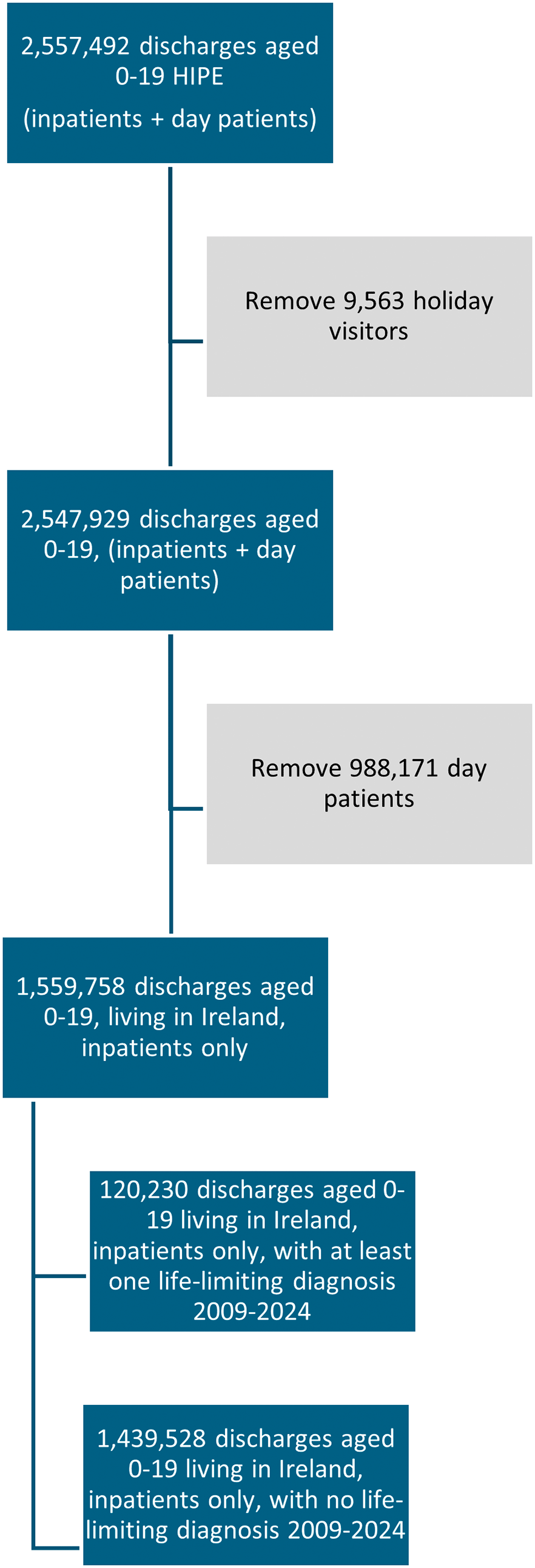
Acute hospital discharges aged 0–19 were examined by day/inpatient and LLC status, summarising patterns over time using 3-year moving averages (i.e., average number of discharges 2009-2011, 2010-2012, 2011-2013, etc.) to smooth year-on-year fluctuations.
More detailed analysis of hospital-use amongst inpatient discharges with and without a LLC diagnosis focused on the following characteristics:
- demographic: age, sex
- clinical and complexity: diagnoses, procedures, complexity of resource use, dependence on medical technology
- hospital utilisation: health region, admission type, length of stay, bed days, intensive care use
- deaths.
Descriptive statistics (means, medians, frequencies) were calculated where relevant. To allow for the disruptive impact of the Covid-19 pandemic on hospital utilisation patterns, attention was paid to three time periods (where appropriate): pre-pandemic years 2009–2019, 2019–2020, and 2019/2020–2024. For ease of interpretation, the vertical orange line in each graph highlights the beginning of the pandemic period (2020+).
All analysis was performed in Stata/MP v. 18.0, all graphs and tables were prepared in MS Excel.
The total number of day and inpatient discharges aged 0–19 fell from 162,024 to 161,970 between 2009 and 2019, with little change in the 3-year moving average number of discharges ( Figure 2a) (-0.3% decrease from 2009/2011 to 2017/2019). With the onset of Covid-19, total inpatient and day patient discharges aged 0–19 fell by 24.5% between 2019 and 2020 to 122,295, increasing each year since then to 159,069 by 2024.
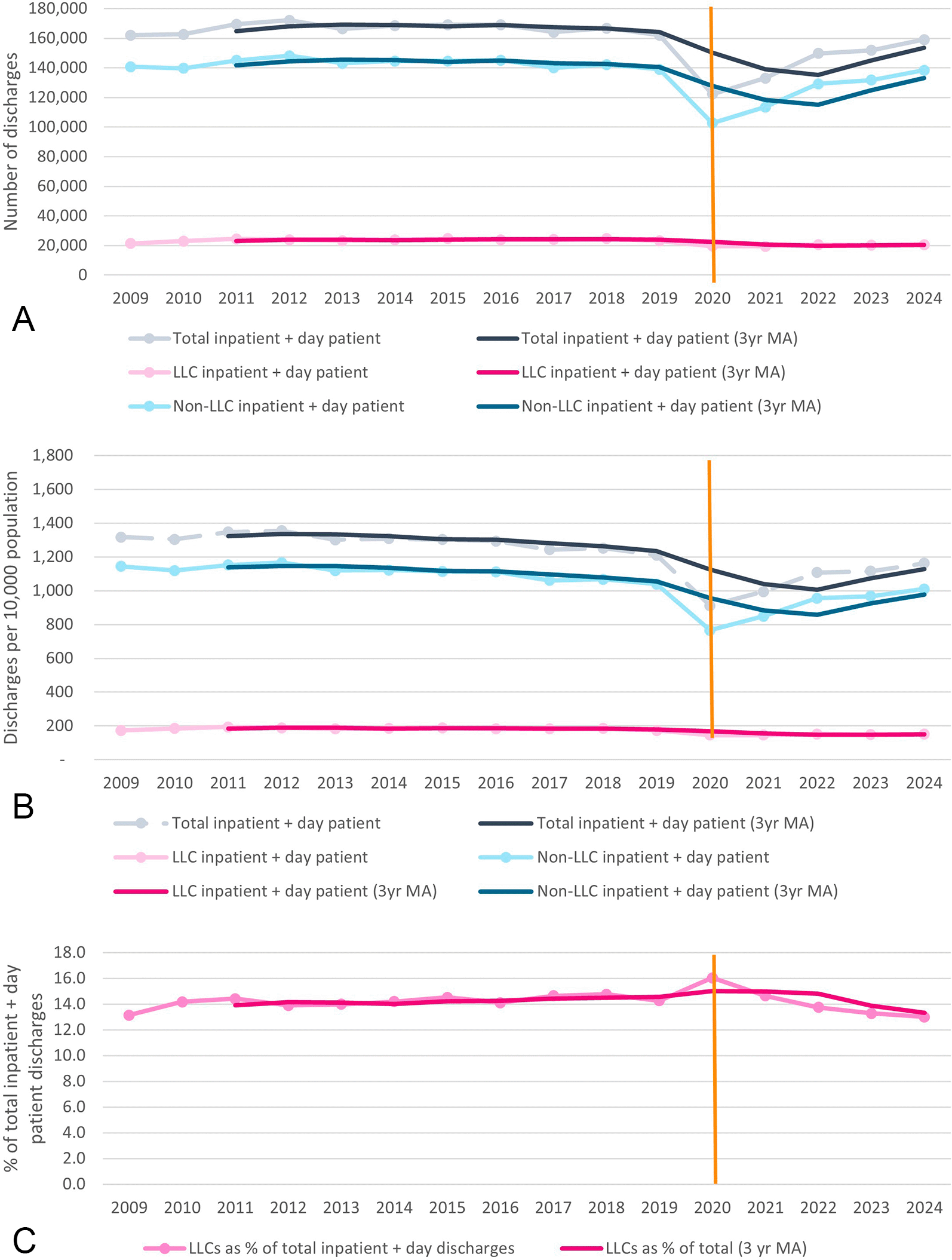
Figure 2 A. Number of discharges, B. Rate per 10,000 population, C. LLCs as % of total inpatient + day patient discharges.
Non-LLCs accounted for more than 84% of total inpatient and day patient discharges aged 0–19 between 2009 and 2024. The pattern of non-LLC discharges over time followed that of total inpatient and day patient discharges in Figure 2a but with steeper changes. Non-LLC discharges aged 0–19 fell from 140,734 to 138,870 between 2009 and 2019. The 3-year moving average number of non-LLC discharges aged 0–19 fell by 1.0% between 2009/11 and 2017/19. Between 2019 and 2020, non-LLC inpatient and day patient discharges aged 0–19 fell by 26.1% to 102,687, increasing each subsequent year to 138,388 by 2024 (+34.8% from 2020 to 2024).
In contrast, LLC inpatient and day patient discharges aged 0–19 increased from 21,290 to 23,100 between 2009 and 2019. A general upward trend was also shown in the 3-year moving average number of these LLC discharges ( Figure 2a) (+4.3% from 2009/11 to 2017/19). LLC discharges increased as a proportion of total inpatient and day patient discharges aged 0–19 from 13.1% to 14.3% from 2009 to 2019. With the onset of Covid, LLC inpatient and day patient discharges aged 0–19 fell by 15.1% to 19,608 between 2019 and 2020, a smaller drop than observed in the non-LLC cohort suggesting that hospital inpatient care for those with LLCs was protected to some degree relative to the non-LLC cohort during Covid, but also that children with LLCs were potentially more vulnerable to Covid relative to the non-LLC cohort, while school closures and reduced social interaction protected children from typical childhood infections, possibly more for non-LLC children than LLC children. Although the total number of LLC inpatient and day patient discharges aged 0–19 increased between 2020 and 2024 to 20,681, there were fluctuations within that time-period (+5.5% from 2020 to 2024).
Controlling for population growth, the rate of inpatient and day patient discharges aged 0–19 per 10,000 population fell by 8% between 2009 and 2019, driven mainly by declines in non-LLC discharges ( Figure 2b).
The patterns over time were different for inpatient and day patient discharges. Day patient discharges aged 0–19 increased from 57,510 to 65,445 between 2009 and 2019, consistent with a general upward trend in the 3-year moving average number of day discharges (+8.6%). Inpatient discharges aged 0–19 fell from 104,514 to 96,525 between 2009 and 2019, consistent with an overall decline in the 3-year moving average (-5.5%).
With the number of LLC day patients increasing slightly more than non-LLCs between 2009 and 2019 (+9.1% vs +8.5% from 2009/11 to 2017/2019), and the number of LLC inpatients falling at a slightly slower pace than non-LLCs (-4.5% vs -5.6% from 2009/11 to 2017/2019), we saw LLCs increasing as a proportion of total discharges overall from 13.1% in 2009 to 14.3% in 2019 ( Figure 2c).
Figure 3 presents the average number (3-year moving average) of LLC and non-LLC inpatient discharges aged 0–19 between 2009 and 2024 by age group.
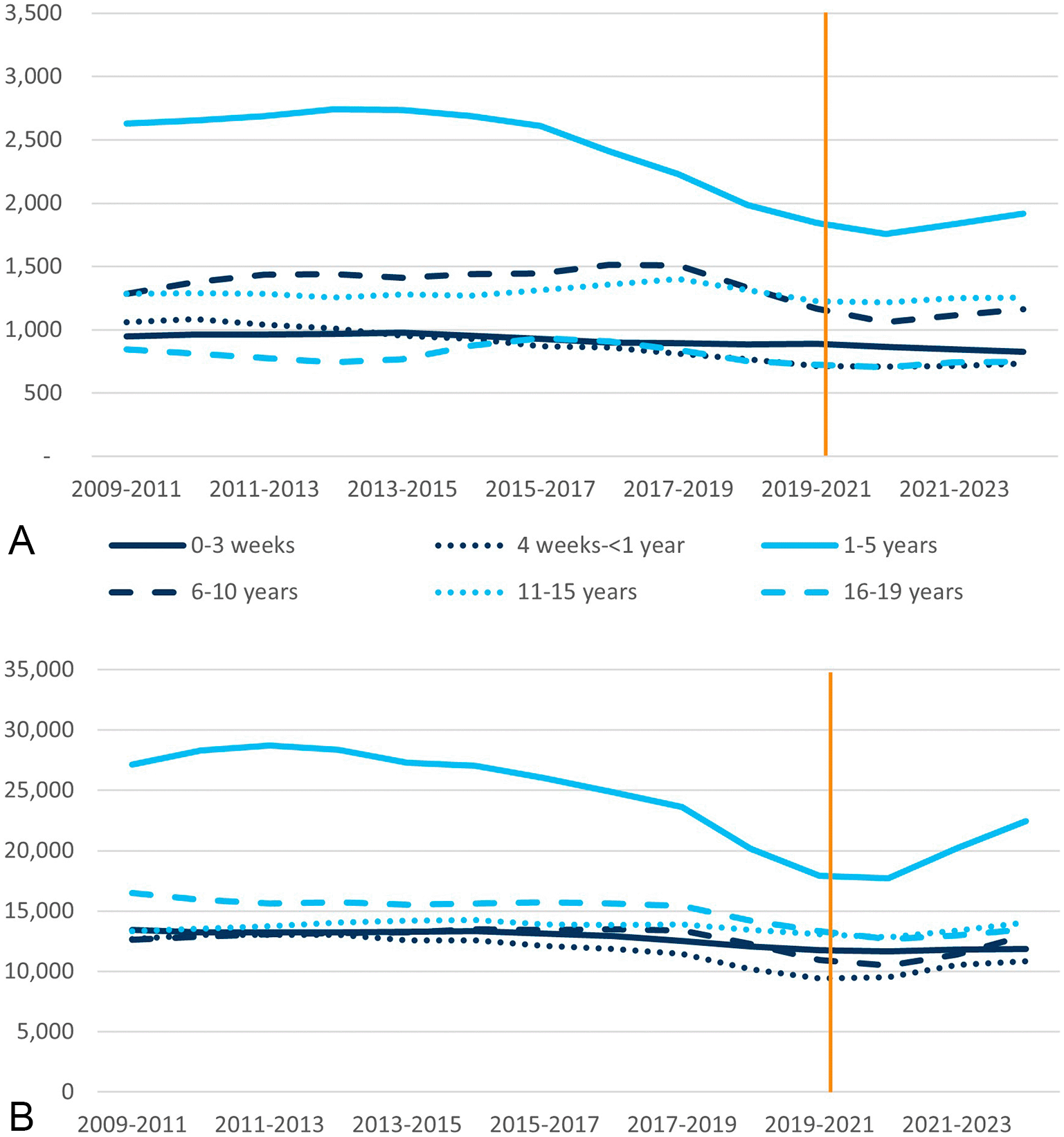
Figure 3 A. LLC discharges, B. Non-LLC discharges.
The younger age groups, aged 0–5, followed the downward trend between 2009 and 2019 but with differences in magnitude between LLCs (-15.0% decrease from 2009/11 to 2017/19, discharges aged 0–5) and non-LLCs (-10.6% decrease from 2009/11 to 2017/19, discharges aged 0–5).
In contrast, the older age groups, particularly ages 6–15, increased between 2009 and 2019 (LLC discharges: +13.2% increase between 2009/11 and 2017/19; non-LLC discharges: +5.2% increase between 2009/11 and 2017/19).
Discharges aged 16–19 declined between 2009 and 2019 (LLC discharges: -0.6% decrease between 2009/11 and 2017/19; non-LLC discharges: -6.5% decrease).
LLC inpatients accounted for on average 7.7% of total inpatient discharges aged 0–19 between 2009 and 2024.
In each year between 2009 and 2024 there were more male than female inpatient discharges aged 0–19 in both LLC and non-LLC cohorts ( Table 1).
In 2009, the proportion of male inpatient discharges was higher in the non-LLC cohort compared with the LLC cohort but the difference was not large. In 2019, 2020 and 2024 (and all the years in between), the opposite pattern was observed with relatively more males in the LLC cohort compared with the non-LLC cohort (e.g., 2019: 54.6% vs 53.2%; 2024: 56.9 vs. 53.1%).
The age distribution for the inpatient LLC cohort changed over time, particularly in the older age groups. Between 2009 and 2019 there was an increase in the proportion of 6–10 year-old (14.9% to 19.4%) and 11–15 year-old inpatient discharges (16.0% to 18.7%) and a reduction in the proportion of 1–5 year old inpatient discharges (33.8% to 28.6%) in the LLC cohort. By 2024, the proportions of older age groups in the LLC cohort had fallen compared with 2019, but overall, the combined age group 6–19 years increased from 42.3% to 46.9% of the LLC cohort between 2009 and 2024 (+4.6 percentage points).
Compared with the LLC cohort, there was less change in the age distribution of the non-LLC cohort between 2009 and 2019. For example, the proportion of 6–10 year-old and 11–15 year-old inpatient discharges in the non-LLC cohort increased from 13.1% to 14.9% and from 13.6% to 15.9% respectively between 2009 and 2019. The proportion of 16–19 year-old inpatient discharges in the non-LLC cohort fell from 18.1% to 16.9% over the same time period. By 2024, there were further increases in the proportion of 6–10 year-old and 11–15 year old discharges in the non-LLC cohort (to 16.3% and 16.7% respectively), and further decreases in the proportion of 16–19 year old (to 15.8%) inpatient discharges. Overall, the combined age group 6–19 years increased from 44.8% to 48.8% of the non-LLC cohort between 2009 and 2024 (+4.0 percentage points).
This section describes the main reasons for hospitalisation (primary diagnosis), and associated procedures (principal procedure) undertaken for inpatient discharges aged 0–19 in both the LLC and non-LLC cohorts between 2009 and 2024.
- Mode of admission
For ease of interpretation, we focused on the diagnoses and procedures recorded for elective (i.e., planned) admissions, and for emergency (i.e., unplanned) admissions separately.
Between 2009 and 2024 inclusive, 37.3% of LLC discharges aged 0–19 were elective, 62.6% were emergency, and 0.1% were maternity admissions. Over the same time period, 11.2% of non-LLC discharges were elective, 85.5% were emergency, and 3.3% were maternity admissions.
- Number of diagnoses & procedures
For both elective and emergency admissions, the mean (and median) number of diagnoses recorded per inpatient discharge was higher in the LLC cohort than in the non-LLC cohort ( Table 2). For example, for all emergency inpatient discharges aged 0–19 from 2009–2024, a mean number of 5.0 diagnoses were recorded per LLC inpatient discharge, compared with 2.5 per non-LLC inpatient discharge.
Also shown in Table 2, not every discharge had a procedure recorded, but this varied by admission mode and LLC status:
o For all elective inpatient discharges from 2009–2024, the majority of LLC and non-LLC inpatient discharges had at least 1 procedure recorded (>86%).
o For all emergency inpatient discharges over the same time period, the majority of LLC discharges (60.2%) had at least 1 procedure recorded, while the opposite was observed for non-LLC discharges where the majority (62.4%) had no procedure recorded.
- Top elective primary diagnoses & procedures
This section presents the top 15 primary diagnoses and procedures for elective inpatient LLC discharges from 2009–2024.
Table 3a presents the top 15 diagnoses, i.e., the top 15 reasons for admission, for elective inpatient discharges between 2009–2024 in the LLC cohort. To clarify, each discharge could have up to 30 diagnoses. In the LLC cohort, the primary diagnosis, i.e., the reason for admission, may or may not have been a LLC diagnosis. The LLC diagnosis/es for that discharge could be listed anywhere from 1 to 30.
Table 3a also presents the top 15 principal procedures for elective LLC inpatient discharges, 2009–2024.
The top 15 primary diagnoses in the elective LLC cohort accounted for 26.3% of elective LLC discharges from 2009–2024 with each diagnosis accounting for 0.9–3.4% of the sample. Acute lymphoblastic leukaemia with and without mention of remission accounted for 5.8% of elective LLC inpatients. Malignant neoplasm of long bones of lower limb, and Cystic fibrosis with pulmonary manifestations each accounted for 3.4% of elective LLC inpatients.
The majority (87.5%) of elective LLC inpatient discharges had 1/more procedure recorded from 2009–2024. Of these, administration (intravenous or intrathecal) of anti-cancer drugs accounted for 19.7%, dietetic interventions accounted for 6.1% and physiotherapy accounted for 4.5%. The other procedures in the top 15 each accounted for between 0.8–2.6% of the sample and included other cancer-related care (e.g., administration of platelets), cardiac care (e.g., coronary angiography) and diagnostic and monitoring (e.g., polysomnography, magnetic resonance imaging of brain, overnight oximetry), gastrostomies and others consistent with the profile of top diagnoses.
The top 15 primary diagnoses in the elective non-LLC cohort accounted for 37.4% of elective non-LLC discharges from 2009–2024. Just one diagnosis, Chronic tonsillitis accounted for 21.9% of elective non-LLC inpatient discharges from 2009–2024 ( Table 3b). The second and third commonest diagnoses were related (Obstructive sleep apnoea syndrome, 2.2%; Hypertrophy of tonsils with hypertrophy of adenoids, 2.1%) indicating that ENT (Ear, nose, throat) disorders account for more than 25% of elective non-LLC discharges.
Over the time period 2009-2024, elective LLC inpatient discharges and non-LLC discharges only shared one common primary diagnosis in the top 15 (Obstructive sleep apnoea).
ENT procedures including tonsillectomies/adenoidectomies were the commonest procedures in the non-LLC cohort and accounted for 31.1% of discharges. Other procedures were less frequently recorded (0.6-3.1% of the sample) and included allied health interventions (dietetics, physiotherapy), imaging and monitoring (e.g., polysomnography, magnetic resonance imaging of brain, overnight oximetry) and other surgical procedures (e.g., osteotomy, myringotomy, male circumcision, hernia repair).
Table 4a presents the top 15 primary diagnoses and principal procedures recorded for all emergency LLC inpatient discharges, 2009–2024.
The top 15 primary diagnoses in the emergency LLC cohort accounted for 30.1% of emergency LLC discharges from 2009–2024 with each diagnosis accounting for 1–4.6% of the sample. Two respiratory diagnoses (Unspecified acute lower respiratory infection, Acute upper respiratory infection, unspecified) together accounted for 6.6% of emergency LLC inpatients while Agranulocytosis accounted for 4.6% of the sample. Other top diagnoses included Leukaemia, other respiratory and non-respiratory infections (Cystic fibrosis with pulmonary manifestations, pneumonia, viral infections, Gastroenteritis, urinary tract infections, viral intestinal infections), fever, nausea and vomiting, newborn observation/emergency.
More than 60% of emergency LLC discharges had 1/more procedure, 2009–2024. Out of the top 15 procedures, allied health interventions (Dietetics, Physiotherapy) accounted for 17.0% of emergency LLC discharges undergoing 1/more procedure, 2009–2024. The other procedures in the top 15 each accounted for 1.5–5.8% of the sample and included blood transfusion (administration of packed cells), management of continuous ventilatory support, non-invasive ventilatory support, administration of anti-cancer drugs, other cancer-related care (administration of platelets), imaging and administration of medicine.
The top 15 primary diagnoses in the emergency non-LLC cohort accounted for 32.1% of emergency discharges from 2009–2024 with each diagnosis accounting for 1.6–2.9% of the sample ( Table 4b). Viral infection (unspecified) accounted for 2.9% of emergency non-LLC inpatients, while Gastroenteritis and colitis (unspecified origin) and Acute upper respiratory infection (unspecified) each accounted for 2.8% of emergency non-LLC inpatients. Other top diagnoses included acute tonsillitis, other respiratory and non-respiratory infections (acute lower respiratory, acute bronchiolitis, viral intestinal, urinary tract), newborn observation, asthma, appendicitis, and abdominal pain.
Seven out of the top 15 primary diagnoses for emergency LLC inpatients (respiratory and non-respiratory infections, newborn observation) also appeared on the list of top 15 primary diagnoses for emergency non-LLC inpatients for the time period 2009–2024.
Just under 38% of emergency non-LLC discharges had 1/more procedure, 2009–2024. Out of the top 15 procedures for this sample, 10.2% were administered anti-infective medication. The other procedures in the top 15 each accounted for 1.4–7.0% of the sample and included allied health interventions (Dietetics, Phsyiotherapy, Social Work, Pharmacy), phototherapy, surgical interventions (appendicectomy), diagnostics (lumbar puncture, computerised tomography (CT) of brain), trauma-related (closed reduction of fracture, nail/nail bed repair), and noninvasive ventilatory support.
Figure 4 presents the DRG complexity split for inpatient discharges for selected years between 2009 and 2024 for LLC and non-LLC cohorts. The data are presented for elective and emergency admissions separately.
o Elective mode of admission
In each year between 2009 and 2024 inclusive, a higher percentage of elective LLC inpatient discharges aged 0–19 were assigned to subgroup A (highest complexity) compared with non-LLC discharges (2019: 44.3% of elective LLC discharges vs. 12.7% of elective non-LLC discharges). In the non-LLC cohort, 29–47.5% of elective inpatient discharges were assigned to the Z subgroup (no complexity split) between 2009 and 2024 (including for example, tonsillectomy and adenoidectomy procedures).
o Emergency mode of admission
A higher percentage of emergency LLC inpatient discharges aged 0–19 were assigned to subgroup A (highest complexity) compared with non-LLC discharges between 2009 and 2024 inclusive (2019: 53.5% of emergency LLC discharges vs. 12.8% of emergency non-LLC discharges).
- Technology dependence
Table 5 presents the number and percentage of inpatient discharges aged 0–19 where a gastrostomy or tracheostomy was recorded as a diagnostic or procedure code. Procedures to assist with breathing and feeding have been cited as important indicators of technology dependence that help capture complexity of need amongst children with life-limiting and/or chronic conditions.5,28,29 In each year between 2009 and 2024, a higher percentage of LLC inpatients aged 0–19 recorded a gastrostomy/tracheostomy code compared with non-LLC discharges. For example, in 2019, 5.9% of LLC inpatient discharges aged 0–19 underwent a gastrostomy/tracheostomy, or had a related diagnostic code, compared with 0.3% of non-LLC discharges.
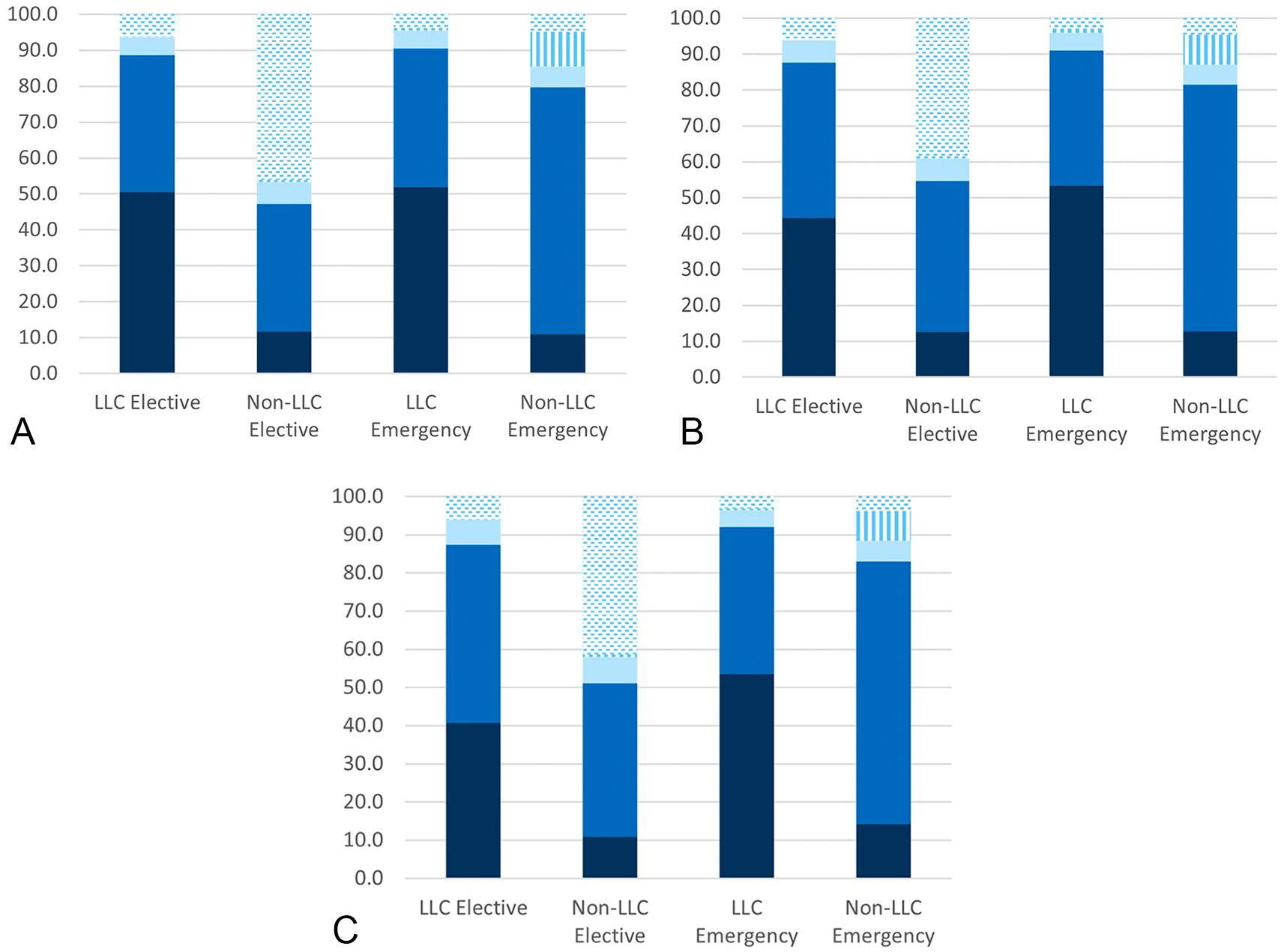
Figure 4A. 2009, B. 2019, C. 2024.
| 2009 | 2019 | 2024 | ||||
|---|---|---|---|---|---|---|
| LLCs | Non-LLCs | LLCs | Non-LLCs | LLCs | Non-LLCs | |
| Number of discharges with gastrostomy/tracheostomy | 773 | 334 | 434 | 261 | 337 | 229 |
| % of discharges with gastrostomy/tracheostomy | 9.8 | 0.3 | 5.9 | 0.3 | 5.0 | 0.3 |
This section describes key hospital utilisation patterns between 2009 and 2024 including hospital region, length of stay, and intensive care utilisation.
- Health region and admission type
Public hospital and community healthcare services were recently re-organised into 6 new Regional Health Areas. Although the Children’s Hospital Group is formally part of the Dublin & Midlands Health Region, it is reported separately here because the Children’s Health Ireland (CHI) hospital group delivers many national care programmes (e.g., paediatric oncology, centrally organised paediatric cardiology, paediatric metabolic medicine, etc.).16
Between 2009 and 2024, 54.5%–58.4% of LLC inpatient discharges were treated in the CHI group. In contrast, 20.7%–27.6% of non-LLC inpatient discharges were treated in the CHI group over the same time-period.
Thus, while LLCs accounted for 7–8% of total inpatient discharges aged 0–19 between 2009 and 2024, this pattern varied by health region. Within the CHI group, LLC discharges accounted for 17.3% of inpatient discharges between 2009 and 2024.
The distribution of inpatient discharges by health region was not uniform across age groups. For both LLC and non-LLC discharges, a lower proportion of the youngest age group (0–3 weeks) and the oldest age group (16–19 years) were treated in the CHI group compared with the other age groups ( Figure 5). For example, within the LLC cohort in 2019, 30.8% of inpatient discharges aged 0–3 weeks, and 20.6% of discharges aged 16–19 years were treated in the CHI group compared with >60% for the other age groups.
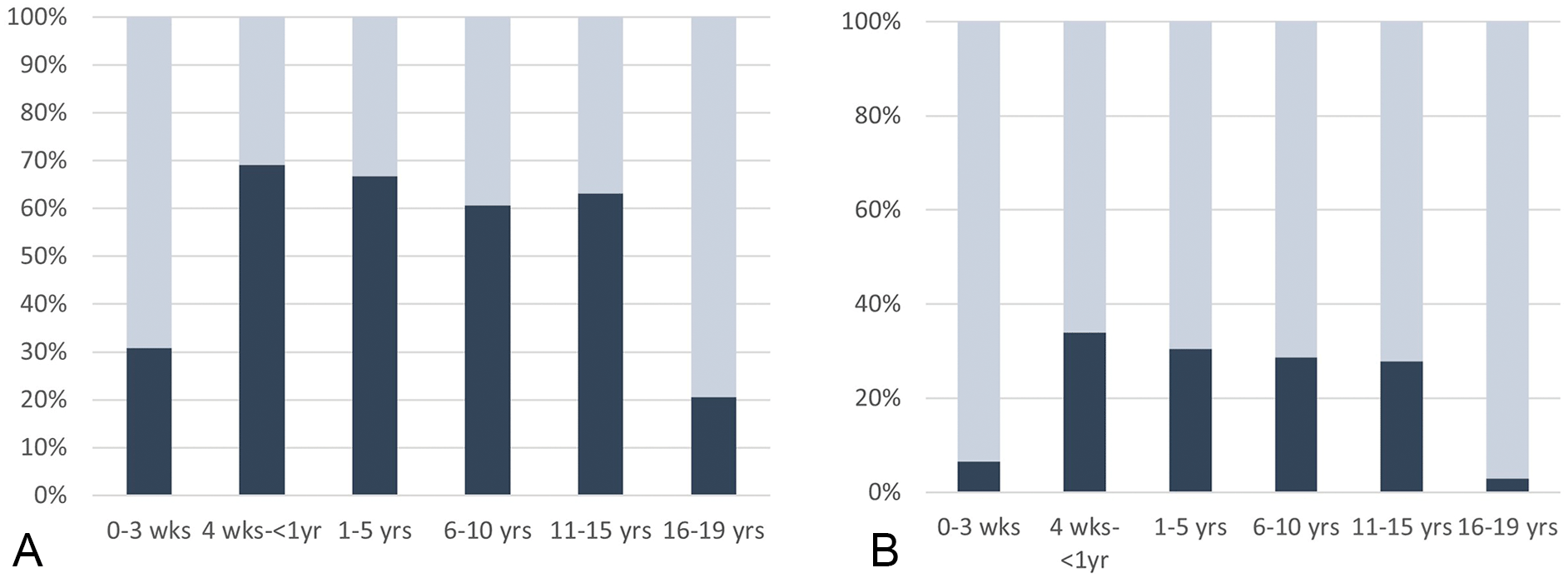
Figure 5 A. LLC, B. Non-LLC inpatients.
As outlined earlier, a higher proportion of LLC discharges were elective cases compared with non-LLC discharges from 2009–2024 and this pattern was observed in each Health Region ( Figure 6).
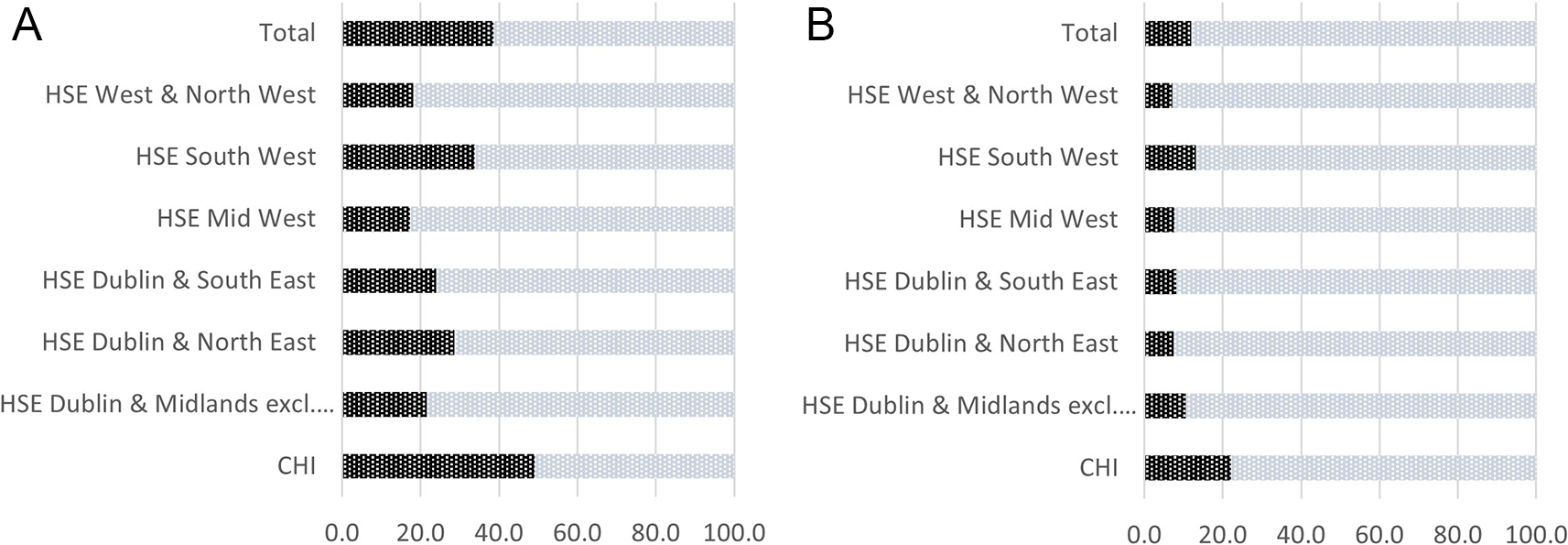
Figure 6 A. LLC inpatients, B. Non-LLC inpatients.
Within the LLC and non-LLC cohorts, the proportion of elective vs. emergency cases varied by health region. In both cohorts, a higher proportion of discharges in the CHI group were elective compared with the other regions. For example, within the LLC cohort in 2019, 49.2% of discharges in the CHI group were elective cases compared with 17.4%–33.7% in the other regions.
The distributions of LLC and non-LLC inpatient discharges over different categories of length of stay are presented in Table 6, for 2019.
The two cohorts showed different length of stay patterns: non-LLC inpatient discharges were concentrated on low lengths of stay (20.9% same day, 33.8% 1 night, 27.4% 2-3 nights) while there was greater dispersion in the LLC cohort into higher length of stay categories (e.g., 26.8% 4–10 nights, 12.6% 11–30 nights, 3.9% 31–90 nights).
Overall, in 2019, 44% of LLC inpatient discharges were in hospital for 4 nights or more compared with just under 18% of non-LLCs. Almost 5% of LLC inpatient discharges were in hospital for longer than 3 months compared with <1% of non-LLCs.
This means that while LLCs accounted for 7.6% of total inpatient discharges in 2019 overall, they accounted for higher proportions of inpatient discharges who were in hospital for long lengths of stay. For example, in 2019, LLCs accounted for 26.8% of inpatient discharges in hospital for 11–30 days, 33.6% of inpatient discharges in hospital for 31–90 days, and more than 50% of those in hospital for longer than 90 days.
Same day inpatients are admitted as inpatients and discharged on the same day18 and the number of same day inpatient discharges has been increasing over time for all age groups.18,30
Focusing on discharges with a length of stay of 1 night or more (i.e., excluding same day discharges), mean and median length of stay were longer in the LLC cohort relative to the non-LLC cohort ( Table 7). For example, in 2019, the mean length of stay for overnight LLC discharges aged 0–19 was 9.3 nights compared with 3.3 nights for overnight non-LLC discharges. Mean and median length of stay were consistently longer in the LLC cohort for each age group from 0–3 weeks to 16–19 years. Overall, median length of stay for overnight LLC discharges ranged from one and a half to nearly 4 times the length of stay for the non-LLC cohort over the time period 2009–2024.
While the LLC cohort accounted for 7–8% of total inpatient discharges aged 0–19 between 2009 and 2024, they accounted for a relatively higher proportion of total inpatient bed days (including same day discharges) ( Figure 7).
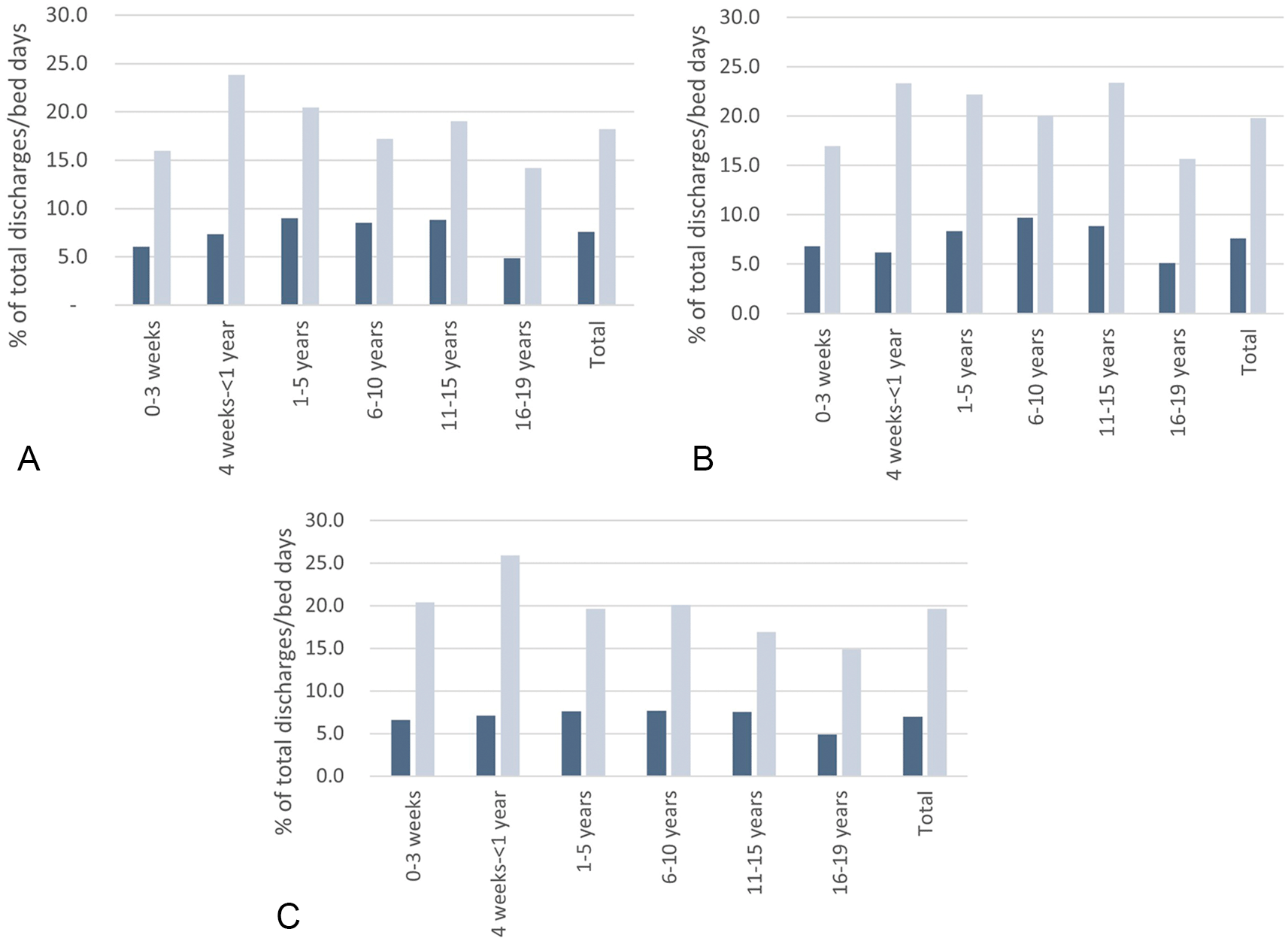
Figure 7A. 2009, B. 2019, C. 2024.
In 2019 ( Figure 7b), LLC inpatient discharges accounted for 7.6% of total inpatient discharges aged 0–19 and 19.8% of total bed days. This pattern varied by age group: for example LLC inpatient discharges aged between 4 weeks and 1 year accounted for 6.2% of total inpatient discharges in that age group and 23.3% of total bed days.
Within the CHI hospital group, LLC inpatient discharges accounted for 17.3% of total inpatient discharges aged 0–19 and 37.5% of total bed days between 2009 and 2024.
Table 8 presents the length of stay distributions for intensive care units (ICU) for LLC and non-LLC inpatient discharges, 2019.
While the majority of both cohorts (83.4% of LLCs, 92.0% of non-LLCs) spent zero nights in intensive care in 2019, when LLCs were admitted to ICU, they had longer lengths of stay. Overall, 4.4% of LLC inpatient discharges were in intensive care for 11 nights or more compared with 1.2% of non-LLCs.
Focusing on those with an ICU stay in 2019, LLCs accounted for 19.9% of total inpatient discharges aged 0–19 who spent 11–30 nights in ICU, 27.3% of those who spent 31–90 nights in ICU, and 55.6% of those who spent 3 months or more in ICU.
In 2019, LLC inpatient discharges aged 0–19 accounted for 23.3% of ICU bed days for that age group (and within CHI hospitals: 69.4% of ICU bed days in 2019).
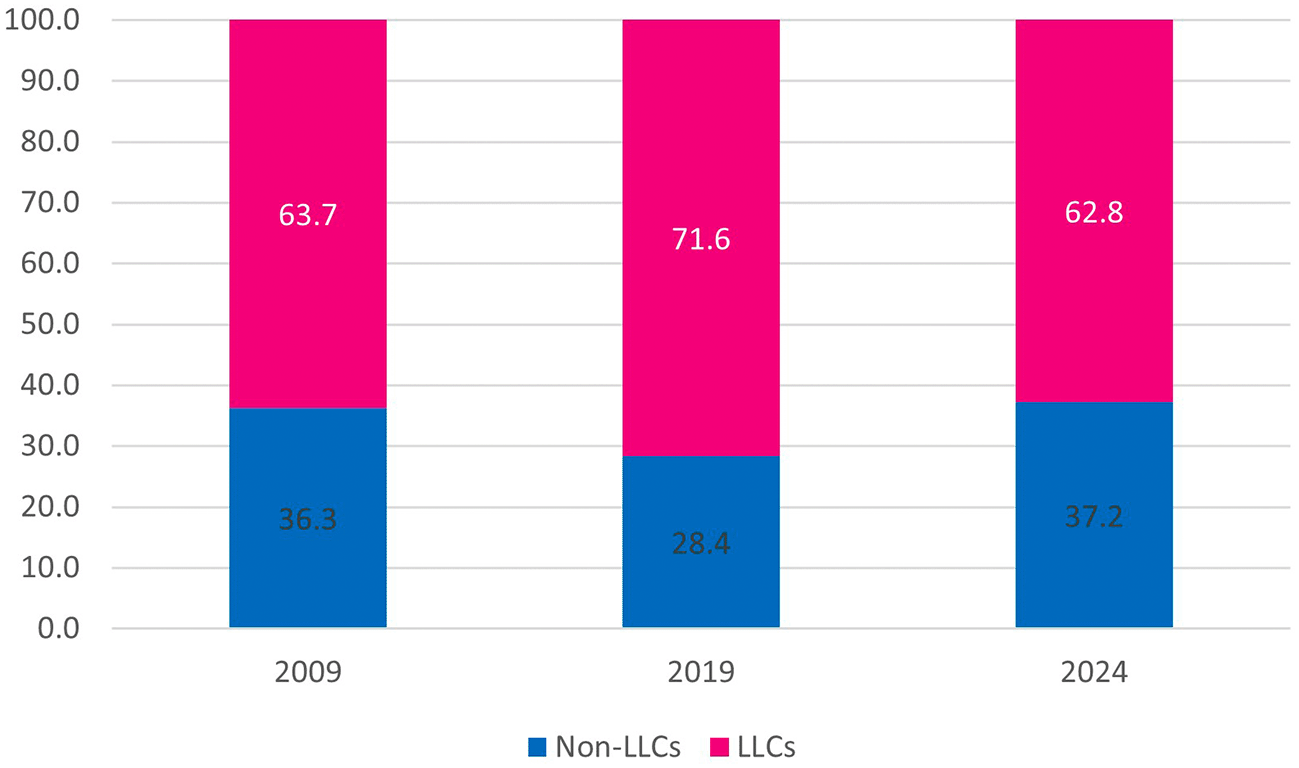
Between 2009 and 2024, the average number of deaths per year amongst inpatient discharges aged 0–19 was 206. In almost every year within that time period, more than 60% of the deaths in this age group had an LLC diagnosis ( Figure 8).
Overall, day patient activity for children aged 0–19 increased while inpatient activity fell between 2009 and 2019. The Covid-19 pandemic had a notable impact on all discharges in this age group where the total number of day and inpatient discharges fell by 24.5% between 2019 and 2020. Both day and inpatient discharges increased after 2020 but were not back to pre-Covid levels by 2024 (the latest year of data available).
Disaggregating by LLC status, the number of LLC day patients increased at a slightly faster pace and LLC inpatients fell at a slower pace than non-LLCs between 2009 and 2019. As a result, the number of LLC discharges increased from 13.1% to 14.3% of total day plus inpatient discharges aged 0–19 between 2009 and 2019.
Amongst inpatient discharges, LLCs accounted for just under 8% of total inpatient discharges aged 0–19 between 2009 and 2019 which is notable considering this cohort represents less than 1% of the total population.31 There were more males than females in both LLC and non-LLC cohorts. The age distribution shifted over time with an increase in the proportion of discharges in the older age groups, particularly ages 6–10, and 11–15, and this was somewhat more pronounced in the LLC cohort compared with the non-LLCs cohort.
Analysis of inpatient hospital utilisation patterns including mode of admission (elective, emergency), reasons for admission, procedures performed, length of stay, and health region highlighted distinctively different patterns of inpatient hospital use by the LLC and non-LLC cohorts. The following sections discuss important lessons from these findings for effective planning and delivering healthcare to children with serious illness in Ireland.
First, analysis of who was in hospital, and why, highlighted key differences between the LLC and non-LLC cohorts.
Almost 40% of LLC discharges aged 0–19 were admitted for elective care compared with 11% of non-LLC discharges between 2009 and 2024. Amongst those admitted for elective care, there was limited overlap between LLC and non-LLC discharges in the leading reasons for admission and procedures performed. For LLC elective discharges, many of the top 15 diagnoses were consistent with the original “ACT Categories” 1 and 2, an established categorisation of life-limiting and life-threatening conditions.1 Categories 1 and 2 describe life-threatening conditions for which curative treatment may fail (e.g., cancer, failures of the heart, kidney, etc.), and conditions where premature death is inevitable with long periods of intensive treatment aimed at prolonging life (e.g., cystic fibrosis), encompassing many of the top 15 diagnoses identified for LLC elective discharges. The procedures followed suit including anti-cancer drugs, allied health, cardiac care, diagnostic monitoring and gastrostomy procedures. There was also wider variation within the diagnoses observed for LLCs compared with non-LLC elective discharges. For LLCs, each of the top 15 diagnoses accounted for less than 4% of elective LLC discharges. In contrast, one diagnosis, chronic tonsillitis, accounted for 21% of all non-LLC elective discharges, and not surprisingly, more than 30% of elective procedures in this cohort involved tonsillectomy and/or adenoidectomy.
For emergency care, there was notable overlap in the leading reasons for admission amongst the LLC and non-LLC discharges aged 0–19, 2009–2024. Infections appeared amongst the top 15 primary diagnoses for both LLC and non-LLC groups including respiratory, intestinal, and urinary tract infections. However, despite similarities in these top primary diagnoses, there were indications that the emergency LLC inpatient discharges were sicker and in need of more complex care. For example, more than 60% of emergency LLC inpatient discharges underwent at least 1 recorded procedure, compared with less than 40% of non-LLC emergency discharges (i.e., meaning that the other 60% of these non-LLC discharges received routine procedures ‘normally not coded’). While ventilatory support was listed amongst the top 15 procedures for both cohorts, the nature of ventilatory support for LLC discharges was more complex and for longer time periods (i.e., continuous, 24–96+ hours) compared with the non-LLC emergency discharges (i.e., non-invasive, <24 hours or 24–96 hours).
These patterns illustrate how hospital care for patients with LLCs was more likely to involve ongoing, planned hospital input to their care for specific conditions (such as cancer treatment, failures of the heart, etc.), compared with the more reactive, emergency-focused acute care for the majority of non-LLC patients. However, there were greater levels of complexity observed amongst the LLC discharges who were admitted as emergency cases compared with the non-LLC patients. In particular, the evidence on emergency admissions highlights the vulnerability of children with LLCs to infection and the consequent need for more complex and resource-intensive acute care. Further analysis of seasonality of emergency hospital activity (e.g. winter viral season), societal behavioural changes around infection (as seen during the Covid-19 pandemic),32,33 exogenous factors such as public health promotion campaigns (e.g., hand-washing) and vaccination uptake rates could help advance our understanding of the ongoing challenges faced by families in preventing the spread of infection to vulnerable children with LLCs.
In addition, despite the diversity of conditions that make up LLCs, these patterns showed how the LLC cohort was distinctively different to the non-LLC cohort, providing justification for grouping together the LLC patients making them more visible as a distinctive group with complex, resource-intensive healthcare needs in both acute and community care settings.
Second, patterns of use across the hospital system highlight important lessons for care management. More than 50% of LLC inpatient discharges aged 0–19 were treated in CHI hospitals between 2009 and 2024, while less than 30% of non-LLC inpatient discharges were treated in CHI. This means that in CHI, discharges with an LLC diagnosis accounted for a larger percentage of the patient population than in other regions, such that between 2009 and 2024, approximately 17 out of every 100 inpatient discharges in CHI had an LLC diagnosis.
Considering that patients attend CHI hospitals from all over the country because of their tertiary referral status for several programmes of care (e.g., cardiology, cancer),16 adequate and appropriate supports are needed for family members of children attending with very complex needs. Anecdotally, children with very complex needs require almost constant parental/carer supervision while in hospital, which places an extraordinary burden on the parent/carer accompanying the child while in hospital. Where the child has travelled a long distance, the accompanying carer is cut off from their normal support networks and can struggle to fulfil basic needs (e.g., meals, shower, rest). It is important that management in the new national children’s hospital is cognisant of the high complex needs of a notable proportion of its patient cohort and that formal support for accompanying parents/carers is sufficiently resourced to allow basic needs to be met while caring for their child in hospital.
The centrality of CHI care to children with complex needs also highlights the travel and transport burdens faced by families. As well as travel costs for family/carer visits, transporting children with complex needs (e.g., tracheostomy) is challenging requiring both driver and caregiver. Increased access to supported transport services such as child-friendly ambulances (e.g., Bumbleance) could ease burdens on families.
Also of note, the regional patterns varied by age group. LLC discharges aged 0–3 weeks, and those aged 16–19 were less likely to be treated in CHI hospitals compared with the other age groups. While the drop-off in CHI discharges in the older age group 16–19 is consistent with the formal age cut-off for paediatric services,16 the data also confirm what is understood anecdotally that in practice, adolescents aged 16 and older continue to be treated in paediatric hospitals, particularly those with an LLC.
Third, length of stay is frequently used as an indicator of efficiency, hospital resource use and quality of care with the focus on reducing length of stay where feasible.34,35
As an indicator of hospital resource use, length of stay patterns showed that LLC discharges were more intensive users of hospital resources, with twice the median length of stay compared with non-LLC discharges aged 0–19, as well as longer mean and median lengths of stay in intensive care.
Interpretation of length of stay in terms of quality is complicated and short lengths of stay have been associated with both positive and negative outcomes and could signal bed supply restrictions.36,37 For children with serious illness, a long length of stay may be justified where it is health-replenishing, but not if it is due to bottlenecks in the system (e.g., delayed transfers or discharges while awaiting allocation of home care supports). Longer lengths of stay come with potential increased risks of hospital acquired infections,38 interruptions to schooling, family and social interactions. It is also important to consider the implications of a long spell in hospital in the context of a child’s expected length of life. For a child with a life-limiting condition, 1 month or more spent in hospital could represent a considerable portion of their potentially short life with significant implications for quality of life and the burden on their family.
Further analysis is required to understand the core factors associated with length of stay in this age cohort, to identify potential bottlenecks leading to delayed discharges, and to understand when and how often specialist palliative care advice is sought to ascertain the best possible programme, and location, of care for children with potentially life-limiting illness. Introducing a unique health identifier into the national HIPE dataset would allow longitudinal analysis, allowing further examination of longer-term factors (e.g., hospital re-admissions, linkage to death records).
Fourth, in addition to length of stay, we examined other indicators of hospital resource-use and care complexity including DRG complexity, number of diagnoses and procedures, and technology dependence. When taken together, these indicators showed LLC discharges to be consistently more complex compared with non-LLC discharges.
LLC discharges had longer mean and median lengths of stay, longer mean and median stays in intensive care, higher DRG complexity, larger mean numbers of diagnoses and procedures, and higher proportions of technology dependence than non-LLC discharges. Although LLC inpatient discharges accounted for less than 8% of total discharges aged 0–19 between 2009 and 2024, they used up almost 20% of total bed days and 22% of ICU days. Similar patterns were found in Wales where children with life-limiting conditions aged 0–18 accounted for 18% of total hospital inpatient bed days between 2009 and 2019, and had disproportionately high emergency inpatient admissions and other healthcare use relative to their size.5
Within CHI, as noted, LLC discharges accounted for just over 17% of discharges, but used more than 37% of CHI bed days, and nearly 66% of CHI intensive care bed days between 2009 and 2024.
These patterns have implications for management of hospital resources, highlighting the importance of streamlining care within hospital for complex-need patients, identifying where bottlenecks may be occurring both within hospitals and outside of hospitals (e.g., step down facilities, community supports), and the importance of supporting families with frequent engagement with inpatient services.
Fifth, it is important to consider the implications of the analysis for palliative care. When viewed as a group in population-level data analysis, the cohort of discharges with life-limiting conditions were very visible within elective and emergency inpatient activity in terms of resource-use intensity and especially amongst those in hospital for long lengths of stay (e.g., more than a quarter of inpatient discharges in hospital for 11–30 days had at least one LLC diagnosis).
However, the diversity of the LLC diagnoses means the discharges could be spread across different subspecialties and may be less visible as a distinctive cohort in the day-to-day clinical setting. The findings underline the importance of embedding a palliative care approach into paediatric hospital care in Ireland.39 Palliative care can be delivered at three distinct levels including a palliative care approach at Level 1 where palliative care principles should be practiced by all health care professionals; general palliative care at Level 2 (where healthcare professionals undergo additional training and expertise in palliative care); and specialist palliative care at Level 3, where the core activity is limited to the provision of palliative care.15,39,40 Increased education and training in a palliative care approach would ensure that all staff working in an acute setting, no matter what their role or specialty, would have some awareness of, and preparedness for providing appropriate responses and support for any child and family facing life-limiting circumstances. Increased palliative care skills at Levels 1 and 2 could also allow for earlier initiation of conversations about advance care planning and earlier referral to specialist children’s palliative care where needed, both of which are important priorities for improved access to palliative care supports in a timely manner.41,42
Sixth, the increase in the proportion of older aged discharges, particularly those in the pre-teenage years, and more pronounced in the LLC cohort, has implications for future planning around transition from paediatric to adult healthcare services. With ongoing advances in medicine and technology, transition is becoming an increasing reality for many patients with child-onset chronic conditions.9 However, available evidence highlights negative transition experiences within Irish healthcare43 and there are concerns about healthcare interruptions and insufficient clinical knowledge amongst adult general and speciality physicians of often very rare diseases formerly only seen in paediatrics.9,25,44 It will be important to continue to monitor the patterns of these pre-teenage discharges to plan for adequate levels of support for patients transitioning out of paediatric services.
Finally, the findings point to issues of relevance for hospital and data management.
The pattern of increasing same day inpatient discharges, particularly for non-LLC discharges, raises interesting questions about how resources are managed.
National data on delayed discharges are collected in a stand-alone dataset managed by the HSE. The data are not linked to HIPE and only aggregated data are publicly available.45 The analysis in this paper underlines the importance of understanding in greater detail the reasons behind delayed discharges. Incorporating information on delayed discharges within HIPE would facilitate analysis of key factors associated with delays, combined with additional supply-side information (e.g., availability of community supports, step-down facilities, etc.).
One of the central challenges in this paper was the absence of a unique health identifier within the national HIPE file. Analysing data at discharge rather than patient-level meant that important questions around hospital re-admissions, patterns of survival (e.g., through linkage with other data) and other policy-relevant factors could not be analysed. A national identifier is being rolled out by the HSE46 but a timeline for including it in national datasets such as HIPE is not yet known. In the meantime, discharge-level analysis is useful for describing volume of hospital activity and as seen above, highlights important lessons for policymakers and healthcare providers.
A second limitation concerned missing data. Newborns are only included in the HIPE dataset when they are admitted for “care as patients in their own right”47: pg.27 (e.g., from their mother’s bedside), i.e., well babies are not coded in HIPE. However, there are known discrepancies between the number of neonatal deaths in hospital reported in official mortality records and the numbers reported in HIPE. Cases where a newborn is cared for at the mother’s bedside and dies in a very short space of time are not always formally admitted and recorded in HIPE and practices vary by hospital. For example, a total of 90 early neonatal hospital deaths (i.e., deaths within 7 days) were reported for the year 2022 in the National Perinatal Mortality Clinical Audit,48 with comparable data in HIPE showing 51 early neonatal deaths (i.e., deaths of infants ‘transferred as newborns’ with length of stay less than 7 days). Thus, the HIPE dataset understates the numbers of neonates with LLCs (as defined above) and further investigation is needed to determine the extent of these discrepancies. It should also be noted that detailed data on private hospital activity are not currently available in Ireland and thus it is possible that some (private) hospital activity for the age group 16–19 is missing from this analysis.
Third, although the main focus of this paper was on inpatient activity amongst LLC and non-LLC discharges aged 0–19, detailed analysis of day patient activity amongst this cohort is also warranted. In particular, almost two thirds of LLC discharges were day patients over the time-period studied. While a large portion of that care was likely to include repeated care (e.g., chemotherapy sessions), further analysis is important in light of the observed complexity and resource-use intensity of care needs observed for LLC inpatient discharges.
Fourth, the paper focused on providing an overview of hospital activity patterns amongst LLC and non-LLC discharges, while further analysis could undertake multivariable analyses to examine key factors associated with variables of interest for policymaking such as length of stay and hospital acquired infections.
Collectively inpatient discharges with a life-limiting diagnosis aged 0–19, who represented less than 1% of the total population in that age group, accounted for just under 8% of total inpatient discharges aged 0–19 in Irish public acute hospitals over the last 16 years. These discharges were found to be complex and resource-use intensive, using almost 20% of total bed days in this age group as well as 22% of intensive care unit bed days. The findings highlighted important lessons for healthcare policy and provision, including the planned revisions of the 2009 national children’s palliative care policy,14,15 and the national model of care for paediatrics,16 general paediatric training and education, hospital management, data collection and further analysis in this field.
The project received ethical approval from the Health Policy and Management and Centre for Global Health Research Ethics Committee at Trinity College, Dublin (Ref: 2969). The hospital inpatient data used in this study were secondary non-personal data. The extract of non-personal data was provided by the Healthcare Pricing Office and no informed consent was required. The population data used in this study were secondary non-personal data. The extract of non-personal data was provided by the Central Statistics Office and no informed consent was required.
SS and JB designed and secured Health Research Board funding, and co-funding from the Irish Hospice Foundation and LauraLynn Ireland’s Children’s Hospice for the overall ‘Evidence for Children’s Palliative care in Ireland’ (ECHPI) project. Analysing hospital activity amongst discharges with and without life-limiting conditions formed a large part of the planned work in the ECHPI project.
SS, JB, OM, FMcE, MD (Mary Devins), TH, LF, TD, SG, MD (Maurice Dillon), and PM contributed to the conceptualisation and consideration of methodological approach for the analysis in this paper. SOH contributed to data curation. SS undertook the formal analysis and drafted the original manuscript. All authors reviewed the findings and all authors approved the final draft of the manuscript.
Provide sufficient details of any financial or non-financial competing interests to enable users to assess whether your comments might lead a reasonable person to question your impartiality. Consider the following examples, but note that this is not an exhaustive list:
Sign up for content alerts and receive a weekly or monthly email with all newly published articles
Register with HRB Open Research
Already registered? Sign in
Submission to HRB Open Research is open to all HRB grantholders or people working on a HRB-funded/co-funded grant on or since 1 January 2017. Sign up for information about developments, publishing and publications from HRB Open Research.
We'll keep you updated on any major new updates to HRB Open Research
The email address should be the one you originally registered with F1000.
You registered with F1000 via Google, so we cannot reset your password.
To sign in, please click here.
If you still need help with your Google account password, please click here.
You registered with F1000 via Facebook, so we cannot reset your password.
To sign in, please click here.
If you still need help with your Facebook account password, please click here.
If your email address is registered with us, we will email you instructions to reset your password.
If you think you should have received this email but it has not arrived, please check your spam filters and/or contact for further assistance.

Comments on this article Comments (0)