Keywords
Lipoprotein(a); cardiovascular disease; health;

This article is included in the TILDA gateway.
Lipoprotein(a); cardiovascular disease; health;
Lipoprotein(a) [Lp(a)] has recently emerged as a major, independent, risk factor for cardiovascular disease (CVD).1–3 Lp(a) concentrations are largely genetically determined, affecting the size and concentration of circulating Lp(a).4 It is estimated that around 20% of the population have elevated Lp(a) levels which are minimally affected by diet, exercise or conventional lipid-lowering therapies. Currently, Lp(a) levels are not measured as a standard component of clinical blood panel tests, however, due to its genetic stability and its potential to identify individuals at heightened risk for CVD5,6 the European Society of Cardiology (ESC) has recommended a one-time Lp(a) measurement for all adults with a personal or familial history of cardiovascular health issues.7,8 This focus is particularly pertinent in countries like Ireland, where cardiovascular mortality rates are alarmingly high, with one in four deaths attributed to CVD.9
The recognition of Lp(a) as an independent risk factor for CVD has been hindered by inconsistencies in measurement techniques and unit reporting.10,11 Accurate quantification of Lp(a) is complicated by the structural heterogeneity of apolipoprotein(a) (apo(a)), which contains a variable number of kringle IV (KIV) repeats.12 This polymorphic feature impacts the molecular weight and immunoreactivity of Lp(a), leading to assay-dependent variability and limiting comparability across studies. Early investigations explored the effects of freezing and long-term storage on Lp(a) concentration, provided evidence that sample handling could influence measured levels.13,14 However, these observations were generated using isoform-sensitive, non-standardised assays. Re-evaluating the effects of storage and freezing using updated isoform-independent assays could more reliably evaluate the influence of storage time and freezing on Lp(a) measurement.15
Leveraging longitudinal data from The Irish Longitudinal Study on Ageing (TILDA), a nationally representative cohort study established in 2009, provides a valuable opportunity to analyse Lp(a) stability across time. This retrospective analysis, using an apo(a) size independent method to measure Lp(a) concentration in fresh and frozen blood plasma, will provide insight and clarity on the stability of Lp(a) in long-term frozen samples and the potential impact of prolonged storage on its concentration. Moreover, our findings will provide essential guidance to other cohort studies contemplating the retrospective measurement of Lp(a) in stored samples, thereby expanding the rationale and utility of such analyses in the broader context of CVD research.
The Irish Longitudinal Study on Ageing (TILDA) is a nationally representative study of community-dwelling adults aged 50 years and over living in the Republic of Ireland. TILDA’s study design and sampling method has been described previously.16 Briefly, initiated in 2009 (Wave 1), TILDA has collected longitudinal data on health, economic and social circumstances of older adults at data collection Waves occurring every two years. A comprehensive health assessment collecting biomedical data and blood sampling is collected in a dedicated research facility at every second Wave.
Ethical approval for each wave of TILDA is obtained from the Faculty of Health Sciences Research Ethics Committee at Trinity College Dublin, Ireland. Ethical approval was obtained on 02/05/2008 for Wave 1 and 31/05/2019 for Wave 6 (Ref: 190407). Written informed consent was obtained from all participants in each Wave. Participants were provided with detailed information regarding the purpose of the study, their rights as participants, and the measures taken to ensure confidentiality and data protection in advance of participation. Participation was voluntary, and participants were free to withdraw from the study at any point. TILDA adheres to the 1964 Helsinki declaration and its later amendments.
Baseline blood samples were taken between November 2009 and August 2011. Written and verbal consent was obtained prior to blood draw. For participants who agreed to provide a blood sample, separate consent was requested for long-term storage for future health research. Blood draw was performed using venepuncture with a butterfly and green 21-gauge Vacutainer needle, following standard clinical guidelines on non-fasted participants. A total of 25ml of venous blood was collected into 3 vacutainers (2x 10ml K2EDTA and 1x 5ml lithium heparin tubes). The labelled blood tubes were then placed inside the specialised 3-layer blood boxes which maintained the temperature of the blood samples between 2-8 degrees Celsius (°C) for up to 48 hours until they were delivered to the central laboratory for processing. Blood samples were centrifuged and then aliquoted into up to 11 bar-coded cryovials (two lithium heparin plasma samples, seven K2EDTA plasma samples and 2 K2EDTA buffy coat samples) to protect the samples from repeated rounds of freezing and thawing in future processing and placed in storage at -80°C.16
Wave 6 blood samples were collected between July and December 2023. Blood draw and laboratory processing protocols remained the same as baseline. Fresh samples were stored in a refrigerator at 4°C for up to 4 days. Short term frozen samples (N = 40) were stored at –80°C for 4 days and were not subjected to freeze/thaw cycles. Samples chosen for the validation study were equally distributed across age and sex.
Lp(a) was measured in an accredited laboratory within the Biochemistry Department, of the Centre for Laboratory Medicine & Molecular Pathology (LabMed) at St James’s Hospital, Dublin (ISO 15189). Lp(a) was measured using the Roche Hitachi Cobas c 502 analyser and Roche Cobas Tina-quant Lipoprotein (a) Gen.2 kit, a particle-enhanced immunoturbidimetric assay. Human Lp(a) was agglutinated with latex particles coated with anti-Lp(a) antibodies. The precipitate was determined turbidimetrically at 659 nm. This methodology, with concentration measurement in nmol/L, is not influenced by isoform size and thus provides a more accurate measurement of Lp(a). The measuring range was between 7-240 nmol/L; samples above the upper limit of detection (ULOD) were diluted and re-run with a 1:3 dilution and subsequently multiplied by 3 in accordance with the assay manufacturer guidelines. The coefficient of variation (CV) for this assay was 4.3%.
The distribution of Lp(a) values are visually presented using histograms and scatterplots where appropriate. Summary statistics, including the mean, standard deviation, minimum and maximum, and the 25th, 50th, 75th percentiles of Lp(a) values are reported. The 80th percentile was also included, as early EAS guidelines on Lp(a)-associated risk thresholds recommended that Lp(a) levels remain below the 80th percentile of the population distribution.1 High-risk Lp(a) is reported ≥105 nmol/L, in accordance with current EAS recommendations.17 Bland-Altman analysis was used to assess the mean and percentage differences between fresh and short-term or long-term frozen samples, to evaluate potential bias or any concentration dependent effect on Lp(a) degradation. Pairwise correlation analysis is performed to examine relationships between continuous Lp(a) levels with short-term and long-term frozen samples. Wilcoxon matched pairs signed-rank test was used to assess differences in fresh and frozen samples. All statistical analyses were performed using Stata v.18.0.
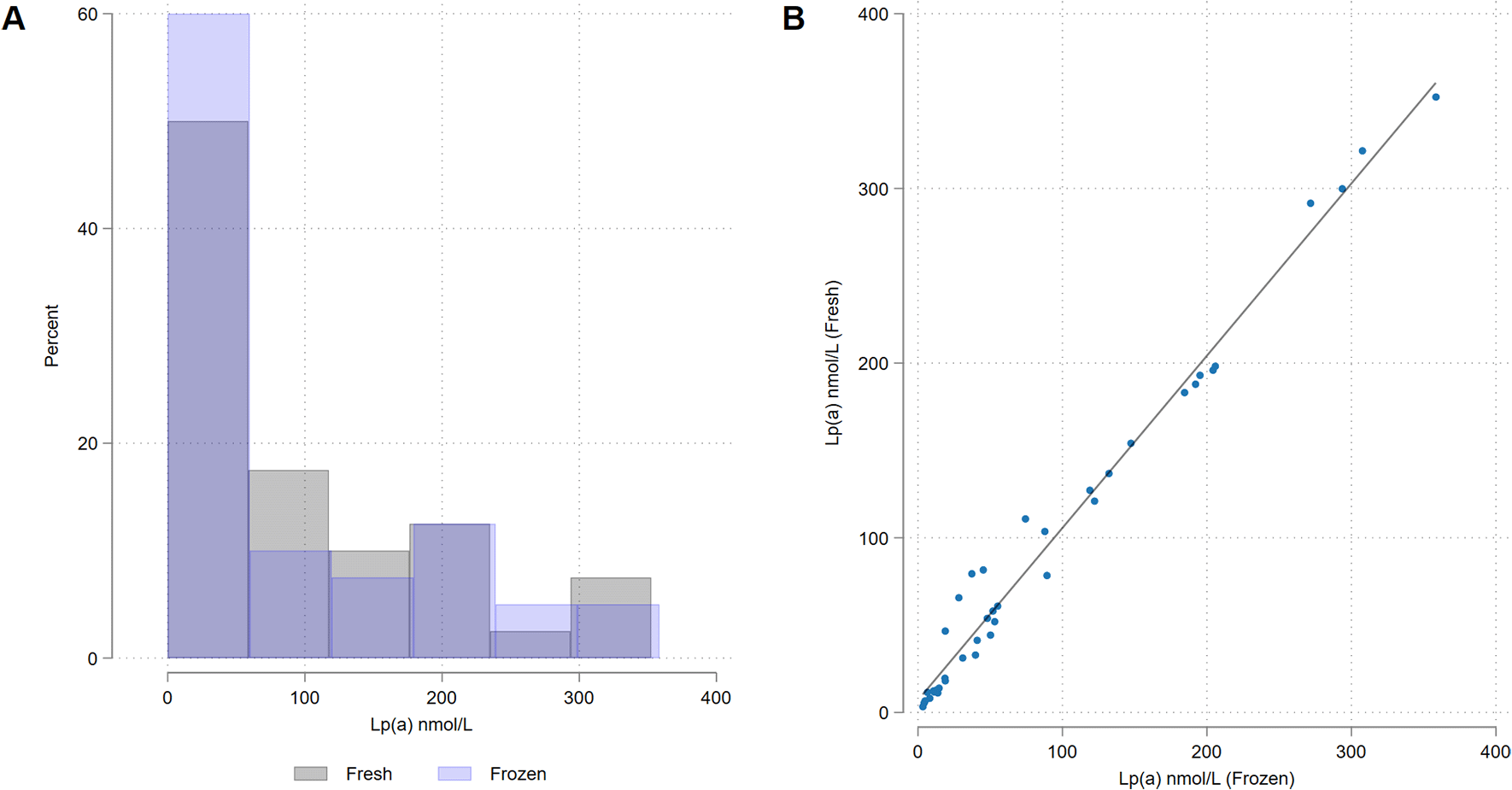
The first study of TILDA participants (N = 40) compared Lp(a) values in fresh plasma to 4-day frozen samples (short-term frozen) from blood drawn during the Wave 6 health assessment. Figure 1A displays the distribution of values for both measures of Lp(a), with summary statistics reported in Table 1. Mean Lp(a) levels were significantly lower in the frozen samples (p = 0.008). However, a Pearson's product-moment correlation analysis revealed a strong, positive correlation between fresh and short-term frozen samples (r(38) = 0.991, p < 0.001), as visually represented in Figure 1B.
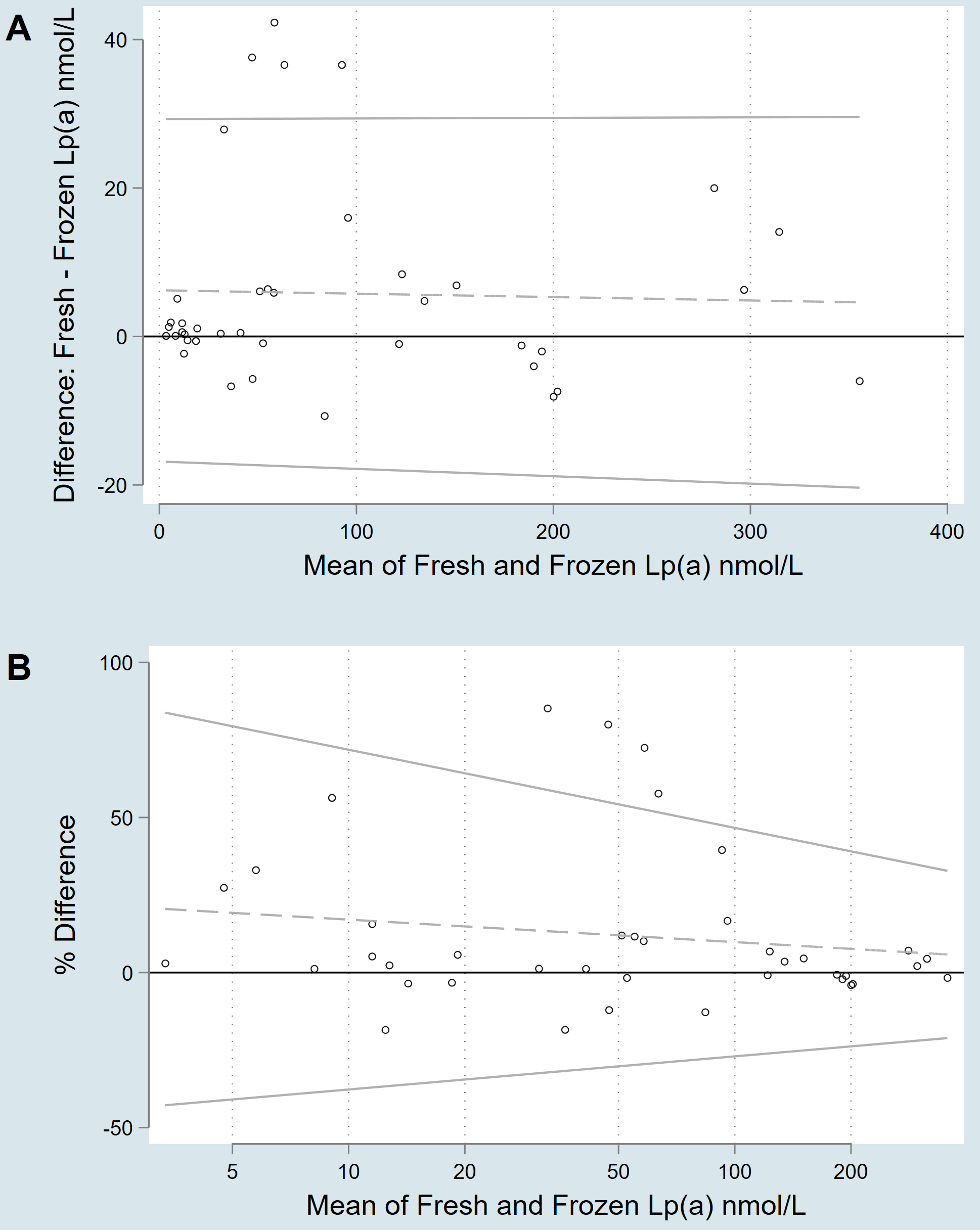
Bland-Altman analysis was used to assess agreement between Lp(a) levels measured in fresh plasma compared to short-term frozen samples ( Figure 2A). On average, fresh samples were 5.8 nmol/L higher than frozen samples. No proportional bias was observed (β = -0.004, p = 0.839) and variability does not change across concentrations (p = 0.888). When expressed as percentage difference (Figure 2B), we found no evidence of proportional bias (β = 03.15, p = 0.330) or concentration dependent variability, indicating that the loss in Lp(a) due to short-term storage is small with the percentage of Lp(a) degradation consistent across Lp(a) concentrations.
In clinical practice, Lp(a) thresholds are a pragmatic tool to identify values that translate into increased cardiovascular risk. In a recent consensus statement by the EAS, the risk of major cardiovascular events starts to slightly increase in individuals with Lp(a) levels of >62nmol/L with risk becoming clinically apparent in individuals with Lp(a) ≥105 nmol/L.17 To assess if potential loss of Lp(a) during storage affects participants cardiovascular risk classification, we compared the number of fresh and short-term frozen samples across defined Lp(a) cut-off points ranging from <62 nmol/L to ≥225 nmol/L. Due to the right-hand skew observed in the Lp(a) distribution in this population, a cut-off at the 80th percentile value observed in fresh samples (186 nmol/L) was used. Outlined in Table 2, we find the distribution of samples across these cut-offs different between fresh and short-term frozen samples, with a higher proportion of frozen samples having Lp(a) levels <62 nmol/L (60.0% in frozen vs 52.5% in fresh).
| Fresh | Frozen | |||
|---|---|---|---|---|
| n | % | n | % | |
| <62 nmol/L | 21 | 52.5 | 24 | 60.0 |
| 62-105 nmol/L | 5 | 12.5 | 3 | 7.5 |
| 105-186 nmol/L | 6 | 15.0 | 5 | 12.5 |
| 186-225 nmol/L | 4 | 10.0 | 4 | 10.0 |
| ≥225 nmol/L | 4 | 10.0 | 4 | 10.0 |
| Total | 40 | 100.0 | 40 | 100.0 |
Table 3 demonstrates how fresh samples within each Lp(a) cut-off category were reclassified following short-term storage. Overall, 10% (n = 4) of samples were reclassified based on corresponding frozen Lp(a) measurements. For participants with moderate cardiovascular risk, having Lp(a) levels within the range of 62 – 105 nmol/L, 60% (n = 3) were reclassified to <62 nmol/L and would therefore be considered lower risk. One sample above the high-risk threshold (105 – 186 nmol/L) was found to have levels between 62-105 nmol/L in corresponding frozen sample. All participants with levels above 80th percentile (≥186 nmol/L) remained stable following short-term storage at -80oC.
Next, we examined the effect of long-term storage on plasma Lp(a) levels. This second study measured Lp(a) in fresh plasma collected from 100 participants during the Wave 6 health assessment and compared values to those found in plasma from the same participants collected and stored at -80oC during the Wave 1 health assessment. The average time between blood draw and Lp(a) measurement from samples in long-term storage was 13.3 years (range 12.6-14.2 years).
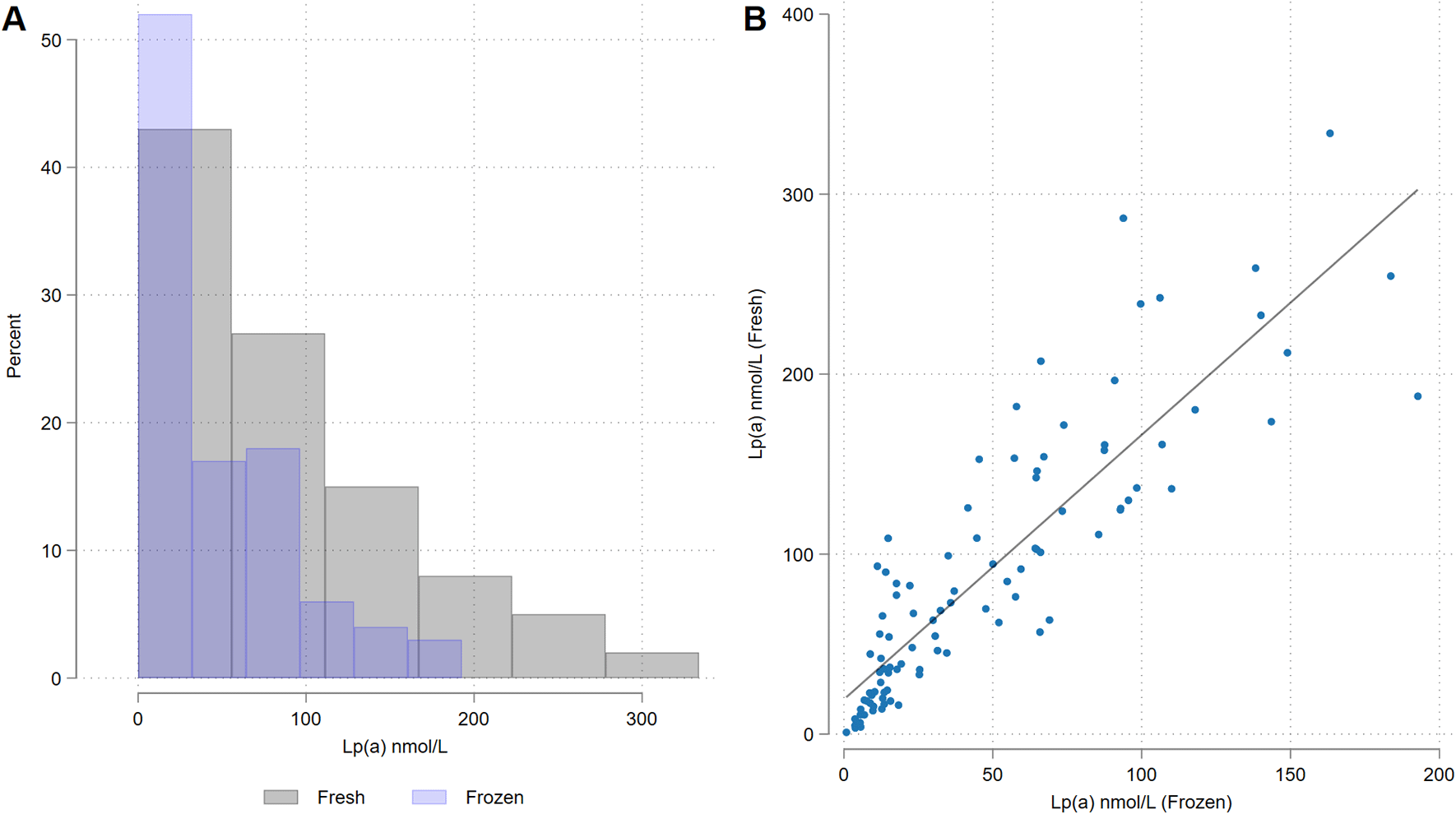
Figure 3A displays an overlaid histogram for both fresh and the long term stored Lp(a) concentrations, with Table 4 displaying descriptive statistics for Lp(a) from fresh and long-term frozen samples. Overall, Lp(a) values were significantly lower in long-term frozen samples compared to matched fresh samples at Wave 6 (p < 0.001), with a mean difference of 41.1 nmol/L, corresponding to a 43% loss of Lp(a) concentration during long-term storage. However, Pearson’s product-moment correlation found a robust positive correlation between these two sample categories (r(98) = 0.876, p < 0.001), with this relationship plotted Figure 3B.
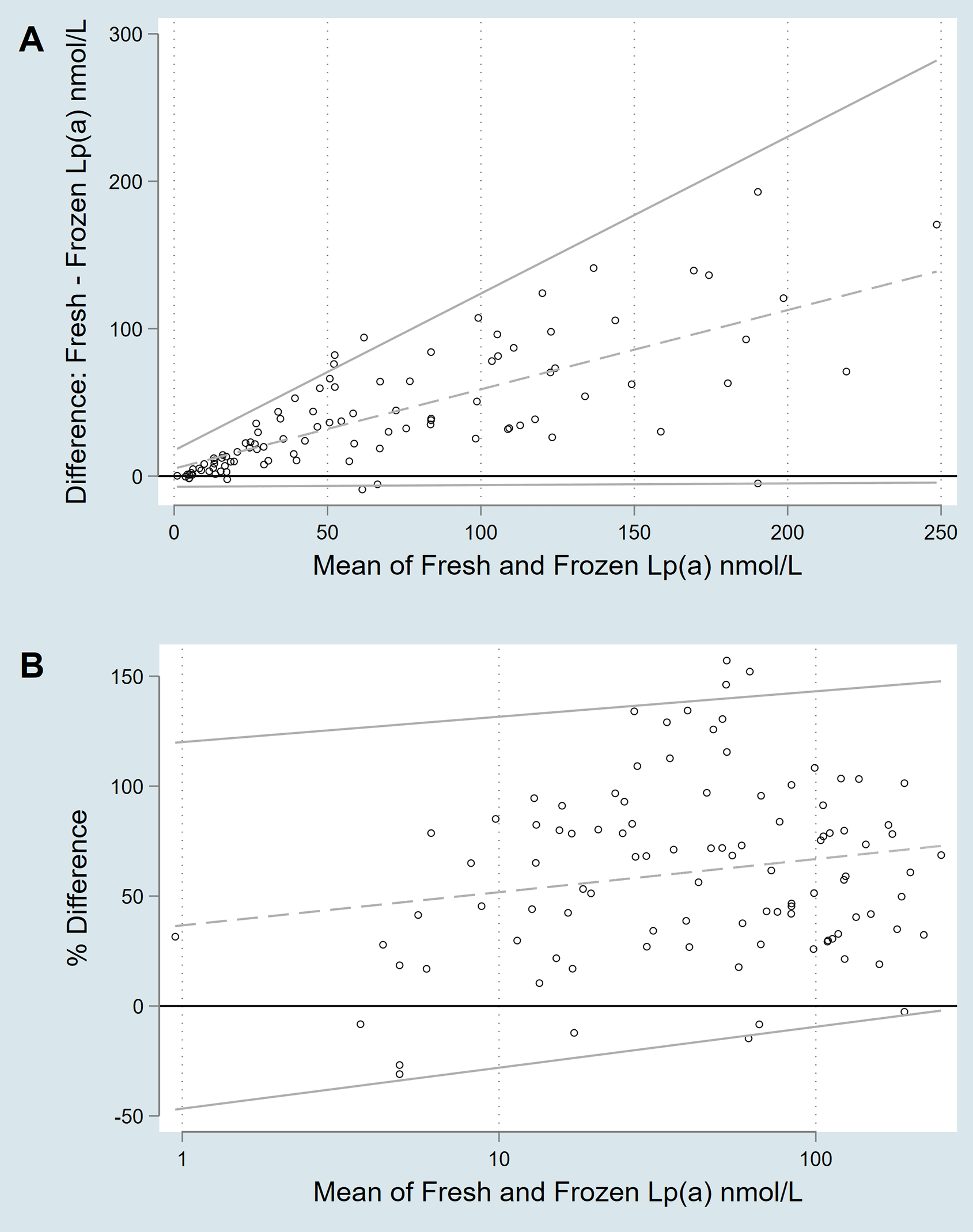
To assess the level of agreement between Lp(a) values measured in fresh and long-term frozen plasma samples, Bland-Altman analysis of the absolute difference found that fresh samples had higher Lp(a) values with an average difference of 41.1 nmol/L with a strong significant proportional bias (β = 0.54, p = 0.000) ( Figure 4A), indicating that the difference between fresh and matched long-term frozen samples increases with higher concentrations. Variability in the differences also increases with concentrations indicating heteroscedasticity (p = 0.000). To assess if this proportional bias corresponded to increased Lp(a) degradation at higher concentrations, we examined the percentage difference. Overall, Lp(a) levels in frozen-plasma samples were 61% lower than what is observed in fresh-plasma samples. There was a weak trend for the percentage difference to increase with higher Lp(a) concentration, however this was not statistically significant (β = 6.55, p = 0.063). Likewise, there was no indication of heteroscedasticity (p = 0.756) indicating that percentage loss of Lp(a) was consistent across Lp(a) concentration range ( Figure 4B).
Similar to short-term analysis, to assess the impact of Lp(a) loss during long-term storage, the number of samples that fall into previously defined Lp(a) cut-offs ranging from <62 nmol/L to ≥225 nmol/L were compared between fresh and long-term frozen samples and outlined in Table 5. As previously mentioned, due to the right-hand skew observed in the Lp(a) distribution, a cut-off at the 80th percentile value in fresh samples (153 nmol/L) was used to observe distribution across high Lp(a) values. A higher proportion of frozen samples had Lp(a) levels <62nmol/L, compared to fresh samples (68% of frozen samples compared to 46% of fresh samples). In fresh plasma, 7% of samples had levels ≥225 nmol/L of Lp(a), however, no sample contained this level of Lp(a) following long-term storage at -80oC.
| Fresh | Frozen | |||
|---|---|---|---|---|
| n | % | n | % | |
| <62 nmol/L | 46 | 46.0 | 68 | 68.0 |
| 62-105 nmol/L | 21 | 21.0 | 21 | 21.0 |
| 105-153 nmol/L | 13 | 13.0 | 8 | 8.0 |
| 153-225 nmol/L | 13 | 13.0 | 3 | 3.0 |
| ≥225 nmol/L | 7 | 7.0 | 0 | 0.0 |
| Total | 40 | 100.0 | 40 | 100.0 |
Table 6 highlights the redistribution of participants within Lp(a) cut offs according to Lp(a) levels found in long-term frozen samples. Overall, 49% of samples were reclassified based on Lp(a) values in long-term frozen samples. In samples with fresh plasma Lp(a) values of 62 – 105 nmol/L, 81% (n = 17) measured <62 nmol/L in their corresponding frozen sample. Furthermore, of 33 samples with fresh-plasma Lp(a) levels ≥105nmol/L and therefore above the EAS-recommended elevated-risk threshold, only 11 would maintain this ‘higher risk’ status in corresponding long-term frozen samples. Indeed, 6 of these participants would be reclassified as ‘lower risk’ with levels <62 nmol/L, with the remaining 16 participants considered ‘Moderate risk’ following reclassification into the 62-105 nmol/L threshold. Strikingly, of the 7 participants with Lp(a) levels ≥225nmol/L in fresh plasma, zero maintained this levels in frozen samples following long-term storage, with 29% of these samples (n = 2) falling below the EAS recommended threshold for elevated cardiovascular risk of 105 nmol/L. These data indicating that Lp(a) levels measured in samples stored for >10 years, may not give an accurate determination of Lp(a)-associated cardiovascular risk.
Elevated Lp(a) is considered the most common genetically inherited risk factor for cardiovascular disease.8 Studies have indicated that Lp(a) remains stable across the life course and is not significantly influenced by diet and lifestyle factors. Due to this inherited stability, current guidelines support once-in-a-lifetime measurement of Lp(a) for assessment of associated cardiovascular risk.18 The potential advancement of Lp(a) research through retrospective studies relies on the knowledge that Lp(a) remains stable in storage. To reliably assess the cardiovascular risk associated with Lp(a), knowledge of its rate of degradation during freezing is crucial, as this prevents inaccurate or misleading interpretation of Lp(a) association with CVD, in retrospective analyses.
Leveraging the longitudinal design of TILDA, and the availability of archived plasma samples, this study aimed to compare Lp(a) levels in paired fresh and frozen blood plasma samples from the same participants following short-term storage (4 days at -80oC) and long-term storage (> 10 years at -80oC). Establishing stability of Lp(a) concentrations in frozen samples over time will inform whether retrospective assaying gives a true representation of Lp(a) concentration and corresponding cardiovascular risk association.
The findings of this study demonstrate that the process of freeze/thawing has a significant impact on Lp(a) concentration, with both absolute and relative decreases in Lp(a) over time during frozen storage. Given that Lp(a) levels are typically considered stable throughout an individual's life course, the observed differences suggest a significant degradation of the samples during the approximately 13-year period they were frozen. When compared to contemporaneous fresh plasma samples, short-term frozen samples had an average loss 5.8 nmol/L in Lp(a) concentration, with a mean percentage difference of 12.1%. However, this increases to 41.1 nmol/L (61% mean difference) in matched long-term bio-banked samples. Indicating a time dependent loss of Lp(a) during storage. These results are similar to that of Kronenberg et al., who found a statistically significant decrease in Lp(a) levels after storage,14 with a recent study from Copenhagen reporting a difference in the 80th percentiles between frozen and fresh samples when stored for 7 years at -80oC.3
The LPA gene determines the molecular weight of Lp(a) through the number of kringle IV (KIV) repeats that form the structure of apo(a). Low molecular weight Lp(a) with low number of KIV repeats, can be processed quickly and at higher concentration, and suggested to give rise to elevated Lp(a) levels. Whereas high molecular weight Lp(a) with a high number of KIV repeats are less concentrated in the plasma. Previous studies have suggested that baseline Lp(a) concentration, influenced by LPA genotype and apo(a) structure could influence the rate of Lp(a) degradation observed during storage.14 However, these studies were from early days of Lp(a) measurement and assays sensitive to a particular isoform of Lp(a) may influence this interpretation. Using an isoform-insensitive immunoassay, which measures the particle level of Lp(a), ensures that any measured loss of Lp(a) is not biased by isoform size. Bland-Altman analysis was also used to report the absolute difference and percentage difference of Lp(a) measured in fresh and short or long-term frozen samples. This analysis could detect if Lp(a) degradation was bias to Lp(a) concentration, and therefore Lp(a) isoform. It was found that although the absolute difference between Lp(a) measured in fresh or frozen samples increased with higher Lp(a) values, the percentage difference, which accounts for the relative change in concentration, showed no proportional bias or heteroscedasticity. Indicating that the loss in Lp(a) during storage is relatively uniform across the concentration range, and not selective to high or low molecular weight Lp(a).
The major impact of Lp(a) degradation during storage can be observed by reclassifying fresh plasma samples into cardiovascular risk thresholds, based on corresponding frozen Lp(a) values. This highlights the greatest challenge for retrospective studies when deciding to use historic or bio-banked samples to determine association with cardiovascular risk. Following storage at -80oC for 4 days, 10% of samples had altered Lp(a) values resulting in reclassification of cardiovascular risk. Reclassification primarily occurred in samples below the 80th percentile, with samples containing extremely high Lp(a) levels not being affected. The relatively small loss in Lp(a) during short-term storage, which was 5.8 nmol/L overall, resulted in these participants shifting to the next lowest cardiovascular risk category.
However, the significant Lp(a) loss observed in samples stored at -80oC for >10 years had a substantial impact on cardiovascular risk status, with 49% of samples being reclassified. Of the seven participants who had extremely high values in fresh plasma (≥225 nmol/L), zero maintained this level in their corresponding long-term frozen samples. While this could suggest that high Lp(a) concentration, and therefore low molecular weight Lp(a), is more susceptible to degradation following long-term storage, Bland-Altman analysis of fresh vs long-term frozen samples did not find a significant differences in the percentage difference of Lp(a) loss across concentration range. In fact, 81% of Lp(a) samples between 62-105 nmol/L were also reclassified.
The most striking finding was that 67% of participants with fresh Lp(a) values over 105 nmol/L, and therefore at increased cardiovascular risk, were not above this threshold when Lp(a) was measured in corresponding long-term frozen samples. In fact, 18% of this “higher risk” group would be deemed “Lower risk” with Lp(a) values of <62 nmol/L, highlighting the potential for underestimation of cardiovascular risk when quantifying Lp(a) in archived samples.
This study reaffirms previous findings demonstrating the impact freezing can have on Lp(a)14,19 and recommends that due to the degree of Lp(a) degradation observed following storage, the use of long-term frozen or biobanked samples in retrospective studies for Lp(a) research, should be interpreted with caution. Particularly when used in an effort to understand the prevalence of elevated Lp(a) on a population level or in association with cardiovascular outcomes. This study was unique the using Bland-Altman analysis to measure the impact freezing has on Lp(a) and found that baseline Lp(a) levels do not appear to influence the degree of Lp(a) degradation observed during storage.
The stability of Lp(a) in stored plasma samples remains a critical consideration for researchers and clinicians. This study emphasises the importance of considering storage conditions and sample handling when interpreting Lp(a) measurements in clinical and epidemiological studies. While Lp(a) is relatively stable within individuals over time, long-term storage can lead to significant decreases in levels. Retrospective assaying of archived plasma samples could therefore lead to an underestimation of both the prevalence of elevated Lp(a) in the population and the cardiovascular risk mediated by elevated Lp(a).
Provide sufficient details of any financial or non-financial competing interests to enable users to assess whether your comments might lead a reasonable person to question your impartiality. Consider the following examples, but note that this is not an exhaustive list:
Sign up for content alerts and receive a weekly or monthly email with all newly published articles
Register with HRB Open Research
Already registered? Sign in
Submission to HRB Open Research is open to all HRB grantholders or people working on a HRB-funded/co-funded grant on or since 1 January 2017. Sign up for information about developments, publishing and publications from HRB Open Research.
We'll keep you updated on any major new updates to HRB Open Research
The email address should be the one you originally registered with F1000.
You registered with F1000 via Google, so we cannot reset your password.
To sign in, please click here.
If you still need help with your Google account password, please click here.
You registered with F1000 via Facebook, so we cannot reset your password.
To sign in, please click here.
If you still need help with your Facebook account password, please click here.
If your email address is registered with us, we will email you instructions to reset your password.
If you think you should have received this email but it has not arrived, please check your spam filters and/or contact for further assistance.

Comments on this article Comments (0)