Keywords
Cancer Incidence, Primary Health Care, Retrospective Studies, General Practice, Data Validation

Cancer Incidence, Primary Health Care, Retrospective Studies, General Practice, Data Validation
Primary care datasets are increasingly recognised as valuable resources for clinical research, epidemiological studies and health policy development. These datasets offer unique advantages: they encompass large, representative population samples and contain longitudinal data that track patient outcomes over time.1,2 Countries such as the UK, Australia and the Netherlands have capitalised on this potential by developing robust primary care research networks.2
The UK’s Clinical Practice Research Datalink (CPRD), established in 2012, has enabled over 3,500 peer-reviewed studies, demonstrating the utility of well-curated general practice (GP) datasets in generating high-quality research evidence. Similarly, the MedicineInsight database in Australia and the Integrated Primary Care Information (IPCI) database in the Netherlands have been validated and extensively used in chronic disease and cancer research.3–6
In contrast, Ireland has lagged behind international efforts in the development and utilisation of primary care data7. The Irish Primary Care Research Network (iPCRN), established in 2012, represents an important step towards harnessing GP data for research purposes.8 Despite its potential, the iPCRN remains underdeveloped and underutilised. Inadequate coding practices, variability across practices and a lack of validation studies have hindered its ability to contribute meaningfully to clinical research and health system improvements.9
One of the principal barriers to the effective use of GP data in Ireland is the inconsistency in diagnostic coding. Diagnostic coding is crucial for reliable health data. Inaccurate or incomplete coding can lead to significant discrepancies in disease incidence estimates, undermining the potential of primary care datasets to serve as reliable research resources.10–12 Irish GP practices predominantly use two coding systems: the International Classification of Primary Care (ICPC) and the International Classification of Diseases (ICD).13 ICPC provides broader diagnostic categories, while ICD offers greater granularity. Technical limitations and a lack of incentive for GP practices to code, have raised concerns about data completeness and accuracy.10
Confirming the accuracy of cancer records in primary care—specifically the presence of a diagnosis, the cancer type, and the date of onset—against national registry data is essential for reliable research. The precise identification of cases is the foundation of any epidemiological study; if patients are not accurately identified or classified at the outset, subsequent analyses of trends and outcomes are fundamentally compromised.
International studies have demonstrated the feasibility of this verification; for instance, the UK’s CPRD uses bespoke algorithms to search diagnostic codes and free-text notes to confirm cases against the National Cancer Data Repository.14,15,18 Similarly, the MedicineInsight database in Australia uses automated checks of diagnostic codes and test results,5,17 while in Northern Ireland, validation involved direct feedback from GPs to confirm registry-based cases.16 These efforts highlight the necessity of rigorous validation to align primary care records with “gold-standard” registries.
While the utility of primary care datasets for high-quality research is well-established, the reliability of the Irish data environment remains a critical unknown. The transition from potential utility to actionable evidence is currently blocked by a lack of systematic validation. Without a formal comparison between general practice records and a gold-standard reference—the National Cancer Registry Ireland (NCRI)—the extent of cancer case ascertainment remains speculative. Examining these patterns within the iPCRN is therefore a necessary diagnostic step; it provides the evidence base required to address systemic coding issues and move Irish primary care data from an underutilised resource to a viable tool for cancer research.
The primary objective of this study is to validate the accuracy of cancer recording by estimating incidence rates among a high-risk cohort aged 60 years and older and comparing these findings against age- and sex-adjusted data from the NCRI. This direct comparison is essential to determine the reliability of GP-recorded diagnostic codes as a proxy for registry-confirmed cases.
Beyond this baseline validation, the study aims to quantify inter-practice variability and identify specific inconsistencies in coding practices. Analysing these discrepancies is necessary to understand the factors that undermine data quality and to provide the evidence required to inform future recommendations for national data standardisation.
This was a retrospective cohort study that included general practice patients between 2011 and 2018. The study cohort comprised patients aged 60 years or older as of 1 January 2011. Eligible patients were required to have at least two recorded clinical encounters during the study period, separated by a minimum of 90 days, to ensure sustained engagement in primary care. Patients with incomplete records or missing key demographic variables, including age or sex, across data extraction waves were excluded.
The study utilised anonymised routinely collected primary care patient data extracted as part of a national medication reconciliation initiative established in 2014 and hosted on the secure server of the iPCRN.19 This study did not rely on participant informed consent, as it was based on an anonymised data extraction undertaken with research ethics committee approval before the introduction of contemporary data governance legislation, namely the General Data Protection Regulation (GDPR) and the Irish Health Research Regulations. The study was conducted and reported in accordance with the “REporting of studies Conducted using Observational Routinely-collected health Data” (RECORD) checklist.20
The irreversibly anonymised dataset comprised routinely collected primary care data, including patient demographics, diagnostic codes, clinical encounters and consultation records. Data were obtained from 44 general practices in Ireland, of which 43 were included in the present analysis. All included practices used a single electronic health record (EHR) system (Socrates), which is widely implemented in Irish general practice.
Data were extracted using a standardised tool in two waves. The first wave captured records from January 2011 to practice-specific extraction dates and the second wave extended follow-up for participating practices. Of the 43 practices included, 37 contributed data to both extraction waves, while six contributed data to the initial wave only.
The primary outcome was cancer incidence, defined as the first recorded diagnostic code for a malignant neoplasm in the primary care electronic health record during the study period. Twenty cancer types were included, selected to reflect the most commonly reported malignancies in Ireland based on NCRI statistics.
Explanatory variables included patient age, sex, patient eligibility type and general practice identifier. Age was categorised into five-year age bands for stratified analyses. Patient eligibility type was classified as General Medical Services (GMS), Doctor Visit Card (DVC) Private or Other. General Medical Services (GMS) eligibility provides access to free GP care and subsidised medications. The Doctor Visit Card (DVC) entitles patients to free GP visits but not free medications. The “Other” category included patients with alternative or non-Irish eligibility arrangements, including National Health Service (NHS) coverage.
Clinical information originated from general practice consultations recorded using a single electronic health record system. Cancer diagnoses were identified using diagnostic codes recorded in consultation records. Both the International Classification of Diseases, Tenth Revision (ICD-10) and the International Classification of Primary Care, Second Edition (ICPC-2), were used. ICD-10 codes were truncated to three characters to standardise cancer classification. Where ICPC-2 codes lacked sufficient specificity to identify individual cancer types, case identification relied exclusively on ICD-10 codes.
Cancer types and corresponding diagnostic codes used for case identification are presented in Table 1. Age- and sex-specific cancer incidence rates from the NCRI were extracted for five-year age bands from 60–64 years to 85+ years for each included cancer type and used for comparative analyses.
Certain ICPC-2 codes refer to clusters of similar cancers and are thus unsuitable for analyses of specific cancer types.
Patient status (death, inactivity, or archiving) was only available at discrete data extraction points, limiting the ability to determine exact dropout dates. To address this, an estimated dropout date was derived for each patient by adding their historical average interval between consultations to the date of their last recorded encounter. Follow-up commenced on 1 January 2011 and ended at the earlier of the practice-specific extraction date or the estimated dropout date. Person-years at risk (PYAR) were calculated from the first recorded encounter to the end of follow-up, with fractional contributions included for partial years.
Patient status (death, inactivity or archived) was not fully captured, which may have resulted in overestimation of person-time at risk and underestimation of cancer incidence. To mitigate this, an estimated dropout date was derived for each patient using their historical average interval between consultations. Analyses were additionally restricted to patients with evidence of sustained engagement in primary care.
Incidence rate estimation and standardisation
Crude cancer incidence rates were expressed per 100,000 person-years at risk (PYAR) and stratified by cancer type, age group and sex. For sex-specific cancers, rates were calculated within the relevant sex only. To facilitate comparison with NCRI data, age- and sex-adjusted expected incidence rates were derived. NCRI crude incidence rates were stratified by five-year age bands (60–64 to 85+ years) and by sex, then weighted according to the age and sex distribution of the study cohort. For cancers affecting both sexes, sex-specific NCRI rates were combined using cohort-derived weights. For sex-specific cancers, weighting was applied within the relevant sex group only.
Comparative analyses
Observed cancer case counts recorded in general practice were compared with expected counts derived from age-matched NCRI incidence rates. Expected case counts were calculated by applying NCRI crude incidence rates to the corresponding general practice person-years at risk.
SIRs were calculated as the ratio of observed to expected cases for each cancer type. Exact 95% confidence intervals (CIs) for SIRs were estimated assuming a Poisson distribution for observed counts. Two-sided exact Poisson tests were used to assess statistical evidence for departures from expected incidence. Chi-square goodness-of-fit tests comparing observed and expected counts were also performed as a secondary approach.
Practice-level analyses examined variation in observed-to-expected cancer incidence across general practices. For each practice, observed and expected case counts were aggregated across all cancer types and practice-specific SIRs with 95% Poisson confidence intervals were estimated. Statistical significance was assessed using two-sided exact Poisson tests.
Cancer coding patterns were examined by classifying recorded cancer cases according to identification using ICD-10 codes, ICPC-2 codes or both. The relative contribution of each coding system was summarised by cancer type and across practices to assess heterogeneity in coding behaviour. All analyses were conducted using Python (version 3.11) and statistical significance was assessed at the 5% level.
Records with missing consultation dates were excluded. Consultation records falling outside the cohort boundaries (before 1 January 2011 or after 5 April 2018) were also removed. Discrepancies in patient status across data waves were resolved by reconciling encounters before and after practice-specific export dates, ensuring consistent follow-up information across the longitudinal dataset.
This study was conducted in accordance with RCSI guidelines for data protection and ethical research involving anonymised patient data. Ethical approval for analysis was granted by the Irish College of GPs Research Ethics Committee on 18th June 2014. All data were handled in compliance with GDPR regulations.
The final study cohort comprised 41,782 patients aged 60 years or older across 43 general practices, contributing a mean follow-up of 5.29 years ( Figure 1).
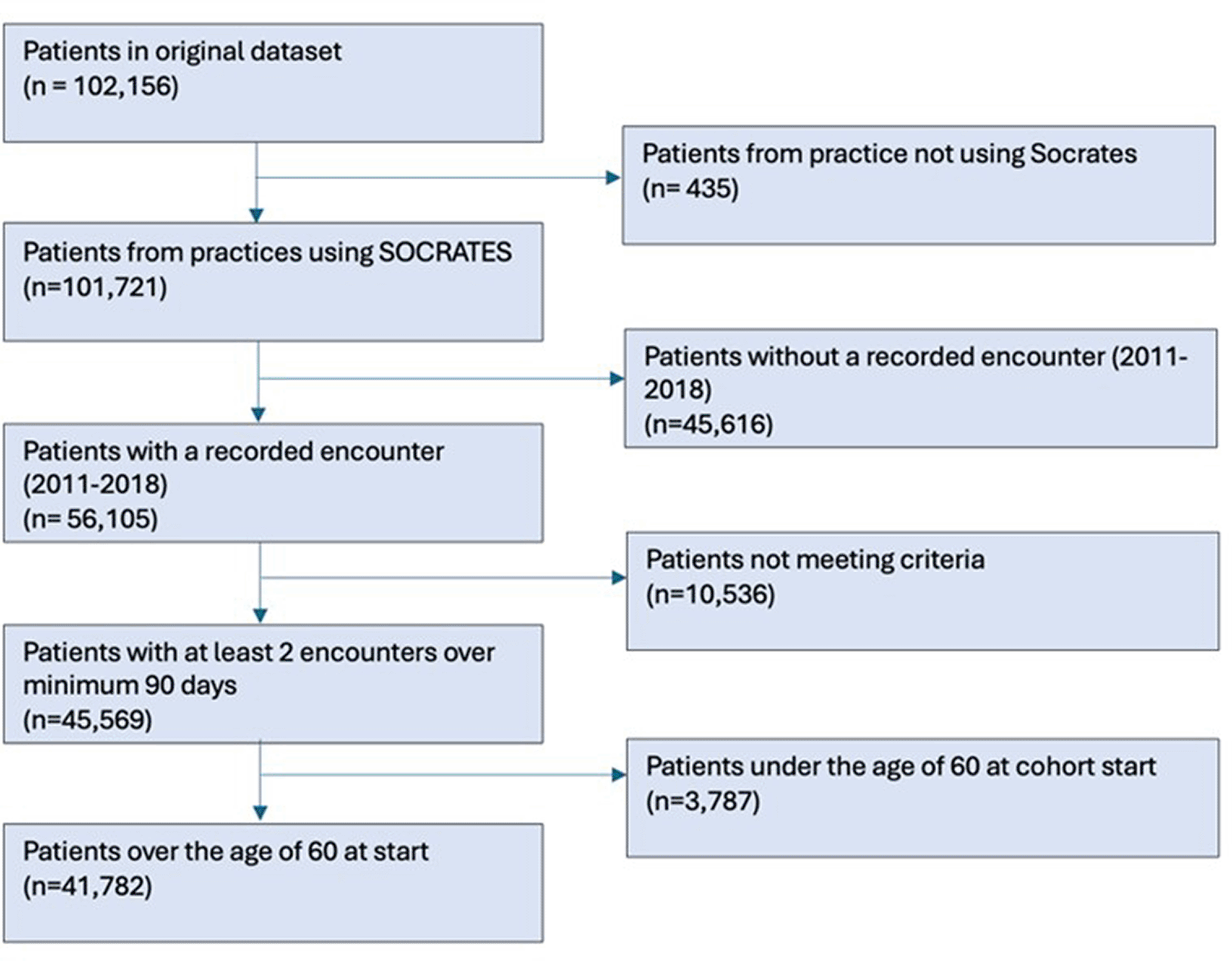
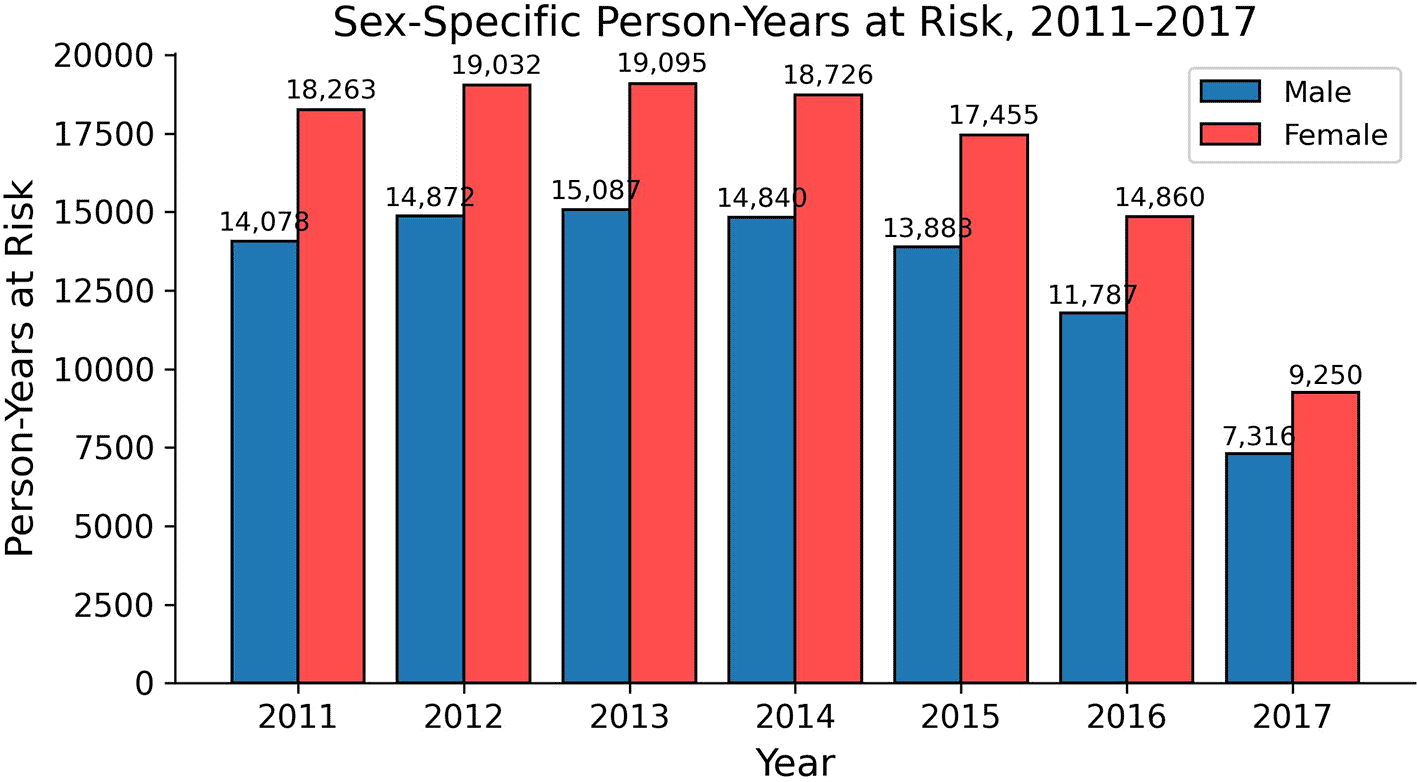
Follow-up ended at the earlier of the practice-specific export date or estimated patient dropout. Six practices (6,126 patients) did not contribute data beyond the first extraction wave and ceased follow-up in late 2015, while remaining practices contributed data until export dates between June 2017 and April 2018. Total person-years at risk declined after 2015, reflecting staggered practice-level data export dates rather than changes in patient retention ( Figure 2).
The median number of patients per practice was 834. The median age at cohort entry was 70.9 years (IQR 65–78) and 56.1% of patients were female. Most patients were eligible for General Medical Services (GMS) coverage (55%), followed by private patients (28%) and Doctor Visit Card holders (9%); other eligibility categories were uncommon. Overall levels of missing data were low (<1% for all variables) and were unlikely to materially affect analyses.
A total of 3,342 incident cancers were recorded in the general practice dataset during follow-up. Cancer incidence recorded in general practice differed from age-matched expected incidence derived from NCRI data for most cancer types ( Table 2, Figure 3). GP-recorded incidence was lower than expected for the majority of cancers, with statistically significant reductions observed for melanoma (SIR 0.43, 95% CI 0.34–0.55), non-Hodgkin lymphoma (0.44, 0.34–0.57), liver cancer (0.33, 0.19–0.54), brain cancer (0.32, 0.18–0.53) and ovarian cancer (0.28, 0.17–0.44). Higher-than-expected incidence was observed for bladder cancer (2.14, 1.86–2.44), breast cancer (1.53, 1.42–1.66) and prostate cancer (1.20, 1.11–1.28).
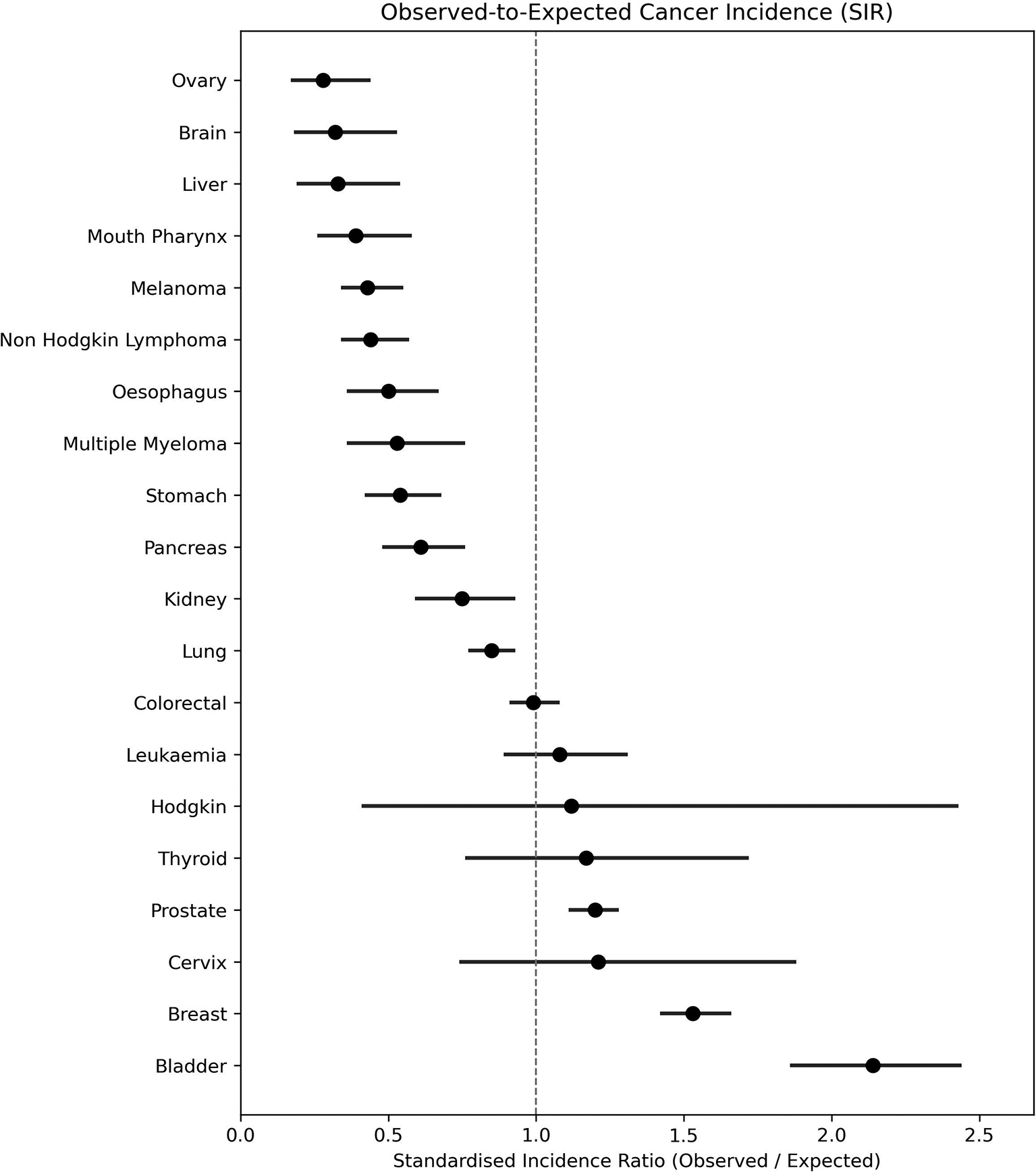
In contrast, close agreement between GP and NCRI incidence estimates was observed for colorectal cancer (0.99, 0.91–1.08) and leukaemia (1.08, 0.89–1.31). Cervical cancer (1.21, 0.74–1.88), thyroid cancer (1.17, 0.76–1.72) and Hodgkin lymphoma (1.12, 0.41–2.43) were also found to have no statistically significant differences detected on Poisson exact testing (≥ 0.01), although confidence intervals were wide. Exact Poisson tests and chi-square tests yielded consistent inferences, with statistically significant departures from expected incidence for most cancers.
As shown in Supplemental Figure 10, there was no general improvement or disimprovement in agreement over time.
Substantial differences were observed according to the clinical coding system used ( Figure 4). Cancer types with dedicated ICPC-2 diagnostic codes (including lung, breast, colorectal, prostate, bladder, leukaemia and thyroid cancers) were predominantly recorded using dual ICPC-2 and ICD-10 coding and showed higher case counts and closer alignment with NCRI incidence estimates.
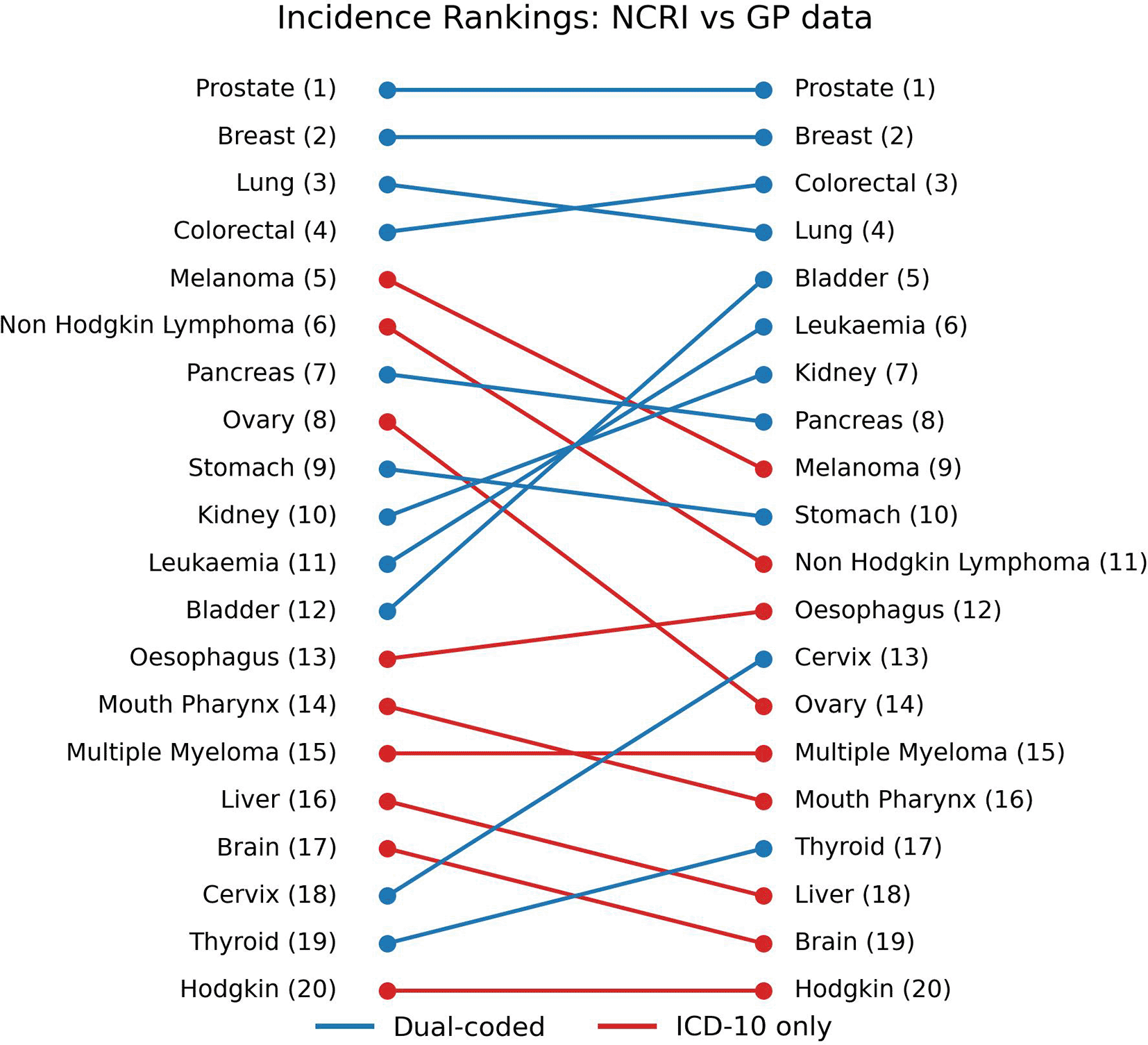
In contrast, cancers without a specific ICPC-2 code, such as melanoma, oesophageal, brain, multiple myeloma, ovarian, liver and mouth and pharyngeal cancers, were exclusively identified using ICD-10 codes and demonstrated substantially lower recorded incidence in general practice. These cancers are predominantly lower-incidence malignancies; however, melanoma represents a notable exception, ranking fifth in NCRI incidence but falling to ninth in the GP dataset (). This pattern suggests that the absence of specific ICPC-2 diagnostic codes may contribute to systematic under-recording of certain cancer types in primary care datasets.
Substantial heterogeneity in cancer incidence recording was observed at practice level when comparing observed case counts with expected counts derived from NCRI incidence rates ( Figure 5, Supplemental File S8). Across the 43 participating practices, SIRs varied widely, ranging from 0.03 (0.00–0.10) to 1.64 (1.42–1.88).
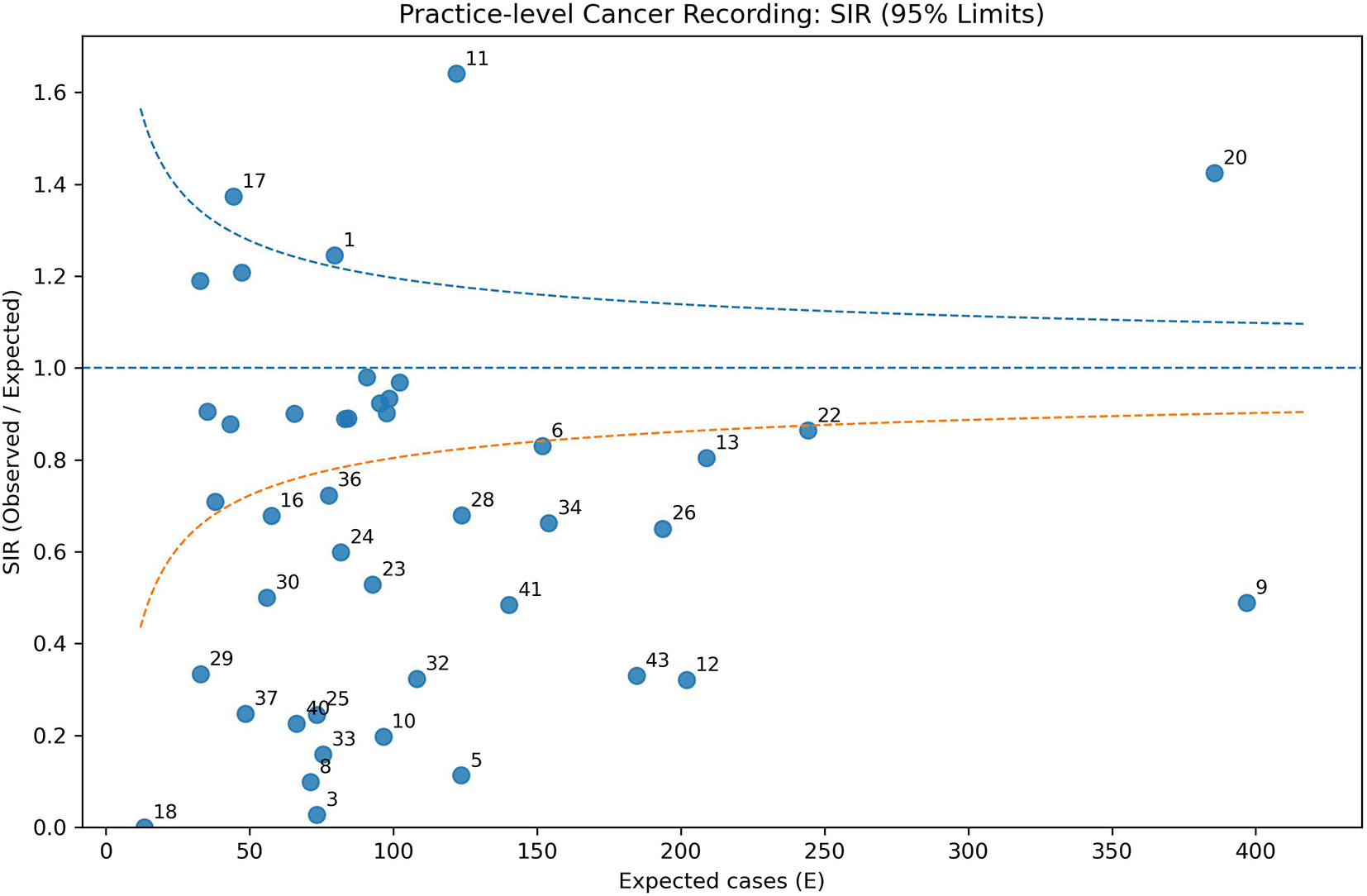
Of the 43 participating practices, one recorded no cancer cases during the study period and could not be formally evaluated. Among the remaining 42 practices, 29 (69%) demonstrated statistically significant differences between observed and expected cancer incidence based on exact Poisson testing, while 13 (31%) showed no evidence of deviation from expected incidence.
Several practices demonstrated statistically significant higher-than-expected cancer incidence, including Practice 11 (SIR 1.64, 1.42–1.88), Practice 20 (1.42, 1.31–1.55), Practice 17 (1.37, 1.05–1.76) and Practice 1 (1.25, 1.01–1.52). In contrast, a larger number of practices exhibited substantially lower-than-expected incidence, with marked under-recording observed in practices such as Practice 3 (SIR 0.03, 0.00–0.10), Practice 5 (0.11, 0.06–0.19), Practice 8 (0.10, 0.04–0.20), Practice 10 (0.20, 0.12–0.31) and Practice 32 (0.32, 0.23–0.45).
The majority of practices fell below the expected incidence line, consistent with systematic under-recording rather than random fluctuation, with pronounced inter-practice variation.
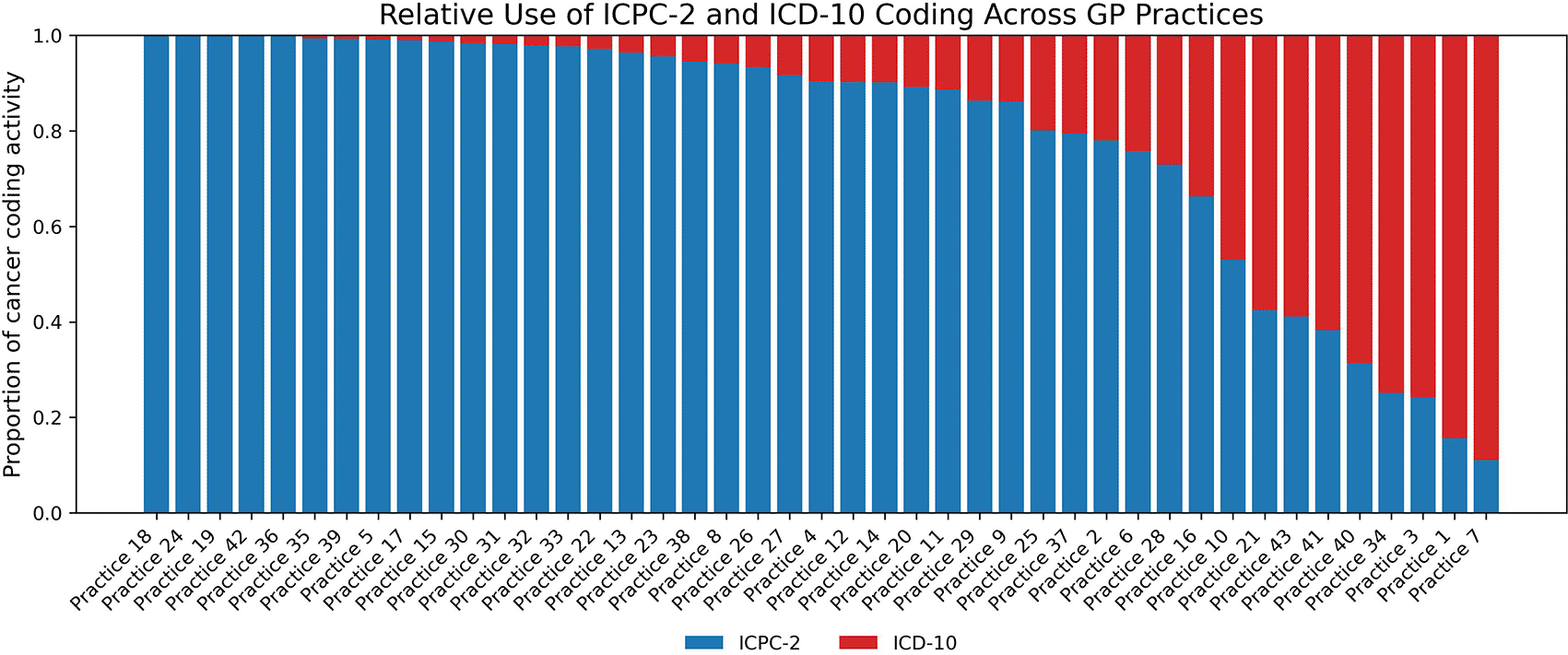
Use of the two coding systems varied across practices, with some practices relying primarily on a single coding system and others using both, suggesting heterogeneity in coding behaviour at practice level ( Figure 6). This pattern is consistent with limited routine use of ICD-10 coding in Irish general practice and indicates that the absence of ICPC-2 diagnostic codes, together with variability in coding practices, may contribute to systematic under-recording of certain cancer types in primary care datasets.
This study addresses a foundational question for Irish primary care cancer research: can GP EHR diagnostic coding be used to identify cancer cases reliably enough for longitudinal epidemiological studies? Answering this question is important because GP datasets are increasingly used for research and service planning, and, to our knowledge, this is the first study to examine the reliability of cancer coding in Irish GP EHR data by benchmarking GP-recorded incidence against age- and sex-adjusted NCRI expectations.
The main finding is that, in this historical cohort, structured GP diagnostic coding did not reliably approximate registry-based cancer incidence. In 41,782 adults aged ≥60 years across 43 practices, followed for a mean of 5.29 years, 3,342 incident cancers were recorded. Across 20 cancer types, the dominant pattern was under-recording relative to NCRI expectations, indicating that structured codes alone are likely to produce substantial case missingness and misclassification in longitudinal cancer research.
The discrepancy was widespread and clinically meaningful. Several cancers were recorded at approximately one-third to one-half of expected incidence, including ovarian cancer (SIR 0.28), brain cancer (0.32), liver cancer (0.33), melanoma (0.43), and non-Hodgkin lymphoma (0.44). By contrast, colorectal cancer (0.99) and leukaemia (1.08) showed close agreement with NCRI estimates, while bladder (2.14), breast (1.53), and prostate (1.20) were over-recorded. This pattern indicates that the issue is not simply low coding volume, but inconsistency in how cancer diagnoses are represented in routine primary care records.
These findings are best understood as a case ascertainment problem rather than a generic limitation of routine data. The key issue is not whether GP records contain some cancer information, but whether structured diagnostic codes can identify cancer cases accurately enough for epidemiological research: if case ascertainment is incomplete, the case group is under-ascertained (reducing power) and the control group is contaminated by missed cases (biasing estimates). In this cohort, they did not do so consistently.
A central explanation is coding-system granularity. Of the 20 cancers examined, 11 had dedicated ICPC-2 codes and were typically identifiable using both ICPC-2 and ICD-10, whereas 9 lacked sufficiently specific ICPC-2 codes and relied on ICD-10 for case identification. The dual-coded cancers generally aligned more closely with NCRI incidence, while 8 of the 9 ICD-10-only cancers were among the most under-recorded. This strongly suggests that coding specificity materially affects whether cancers are recoverable from GP records. Melanoma provides an emblematic example. It ranked fifth in expected NCRI incidence but only ninth in the GP dataset, with an SIR of 0.43. This is consistent with the limited subtype specificity available in ICPC-2 and illustrates how coding architecture can distort both incidence estimates and the apparent cancer profile of a primary care cohort.
Practice-level findings reinforce this structural interpretation. Practice-specific SIRs ranged from 0.03 to 1.64, and 29 of 42 evaluable practices (69%) differed significantly from expected incidence. The distribution was predominantly below the expected incidence line, indicating systematic under-recording rather than random fluctuation. Variation in coding system use across practices (ICPC-2 dominant, ICD-10 dominant, or mixed) offers a plausible explanation. Because all practices used the same EHR platform, this heterogeneity is less likely to reflect software differences and more likely to reflect local coding behaviour and workflow.
The over-recording observed for bladder, breast, and prostate cancer adds an important nuance. It suggests that some cancer codes may have been used to document suspicion, abnormal investigations, or diagnostic pathways rather than confirmed malignancy. This is consistent with the outcome definition used here (first GP-recorded malignant diagnostic code during follow-up) and indicates that code presence varies not only in completeness but also in clinical meaning.
This study has several strengths. It uses a large, real-world primary care cohort (41,782 patients) across 43 practices, with substantial longitudinal follow-up (mean 5.29 years) and broad cancer coverage (20 cancer types). Baseline missingness was low (<1% across variables), and cohort inclusion required at least two clinical encounters separated by ≥90 days, improving confidence that the analysis reflects patients engaged with primary care rather than sporadic attenders. All practices also used the same EHR system, which strengthens interpretation of inter-practice variation by reducing software-platform confounding.
The limitations are also important. As a retrospective analysis of routinely collected data, the study is inherently dependent on historical coding practices and on data captured for clinical rather than research purposes. In addition, the cohort is non-representative in several respects: it is restricted to an earlier time period (2011–2018), includes only adults aged ≥60 years, is drawn entirely from practices using a single EHR system (Socrates), and comprises practices participating in the iPCRN initiative, which may differ systematically from practices that do not engage in academic or data-sharing initiatives.
A further limitation is incomplete follow-up infrastructure. Exact dates of death, inactivity, or archiving were not continuously available, so dropout had to be estimated using each patient’s historical average consultation interval. This introduces uncertainty in person-time estimation and may bias incidence downward if person-time was overestimated. The key implication is not cancer-specific denominator instability, but that incidence estimates across the cohort are conditioned by an estimated rather than observed follow-up end date.
These findings are consistent with international evidence that cancer ascertainment varies across primary care, hospital, and registry datasets, and that differences in coding practice can materially affect incidence estimates and case identification.14 International experience also supports the central importance of coding standards: the SNOMED CT literature and the POLAR project both show that improving the structure and usability of GP coding systems is critical for making primary care data fit for surveillance and research, whereas relying on clinician behaviour change alone is unlikely to be sufficient without better system design and integration.21,22 More broadly, the EHR methods literature emphasises that research use requires explicit, ongoing validation of data quality rather than assuming routine clinical data are fit for purpose.23,24 Linkage to national registries and mortality data is an essential part of the solution and is well established in platforms such as CPRD,25 however linkage alone will not account every case and cannot do so in near-real-time. Hence, the most robust approach may be a hybrid model combining registry linkage with improved extraction from unstructured hospital correspondence.
This study shows that, in a historical Irish GP EHR cohort, structured diagnostic coding did not reliably approximate registry-based cancer incidence, with under-recording as the dominant pattern. The immediate implication is methodological: in a retrospective primary care cohort without continuously observed dropout and mortality dates, structured codes alone should not be treated as a high-fidelity stand-alone method for cancer case ascertainment.
The next phase of GP EHR cancer research should build directly on these findings by examining more contemporary cohorts, quantifying and accounting for inter-practice coding heterogeneity (including sensitivity analyses that exclude minimally coding practices), and evaluating enhanced case ascertainment approaches that combine structured coding with free-text methods.
Over time, the most important improvements are likely to come from data infrastructure: routine linkage of GP EHR data to NCRI and mortality records, greater standardisation of coding practices across sites, and recurring validation against registry benchmarks.
Finally, although this study is methodological, it addresses a practical prerequisite for patient benefit: without reliable case ascertainment in primary care data, the epidemiology used to guide cancer control and service planning will remain weaker. Improving data fidelity is therefore a necessary step toward better early detection policy and practice in primary care.
Ethical approval for analysis was granted by the Irish College of GPs Research Ethics Committee on 18th June 2014, REC number: ICGPREC_FEB14_044.
Patient informed consent was not necessary during the time of the study as patient records were anonymised for data extraction which was within remit of ethics approval prior to the introduction of GDPR [implemented 2018] and Irish Health Research Regulations legislation [2018, amended 2021].
Provide sufficient details of any financial or non-financial competing interests to enable users to assess whether your comments might lead a reasonable person to question your impartiality. Consider the following examples, but note that this is not an exhaustive list:
Sign up for content alerts and receive a weekly or monthly email with all newly published articles
Register with HRB Open Research
Already registered? Sign in
Submission to HRB Open Research is open to all HRB grantholders or people working on a HRB-funded/co-funded grant on or since 1 January 2017. Sign up for information about developments, publishing and publications from HRB Open Research.
We'll keep you updated on any major new updates to HRB Open Research
The email address should be the one you originally registered with F1000.
You registered with F1000 via Google, so we cannot reset your password.
To sign in, please click here.
If you still need help with your Google account password, please click here.
You registered with F1000 via Facebook, so we cannot reset your password.
To sign in, please click here.
If you still need help with your Facebook account password, please click here.
If your email address is registered with us, we will email you instructions to reset your password.
If you think you should have received this email but it has not arrived, please check your spam filters and/or contact for further assistance.

Comments on this article Comments (0)